


1 Collect Info | 2 Organize Committee | 3 Enroll | 4 Evaluate Campus | 5 Develop Master Plan | 6 Obtain Funding | 7 Construct HLL | 8 Integrate Curriculum | 9 Establish Maintenance Plan | 10 Certify
Before you begin the development of your Habitat Lab, take the time to collect information about how to develop your Habitat Lab through the Alabama Wildlife Federation’s Habitat Learning Lab Program (formerly the Alabama Outdoor Classroom Program).
Then share this information with your faculty and staff so that everyone understands the benefits of using a Habitat Learning Lab (aka “Habitat Lab”) as an educational tool and the commitment required to sustain the outdoor learning stations in the Habitat Lab from year to year.
This will increase the ownership and participation of the faculty throughout the life of your Habitat Lab. Below are some suggestions on how to get started. Click on maroon links to learn more.
Free Planning Guides
When you enroll in the Habitat Learning Lab Program, you will receive three FREE Planning Guides in 3-ring Binders.
Purchase a Planning Guide
Visit our STORE (coming soon!)
Once you have collected the appropriate information, it is now time to share the information with key people to garner as much support for the habitat learning station as you can. Again, you should discuss your ideas with everyone at the beginning of the project before you break ground to gauge the interest and feasibility of the project and to make sure that everyone feels included. Below are some key people who you should contact along with some potential items that you might want to discuss with them.
> Discuss the AWF Habitat Learning Lab resources, your project ideas, and the important questions below with your principal including:
> Get administrative approval from the principal BEFORE discussing the Habitat Learning Lab program with your faculty and BEFORE contacting the AWF Habitat Lab Team.
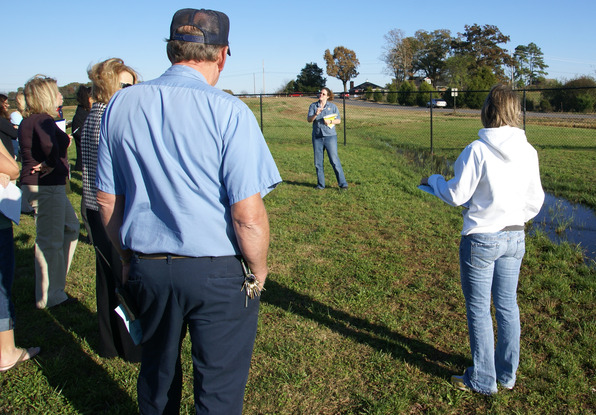

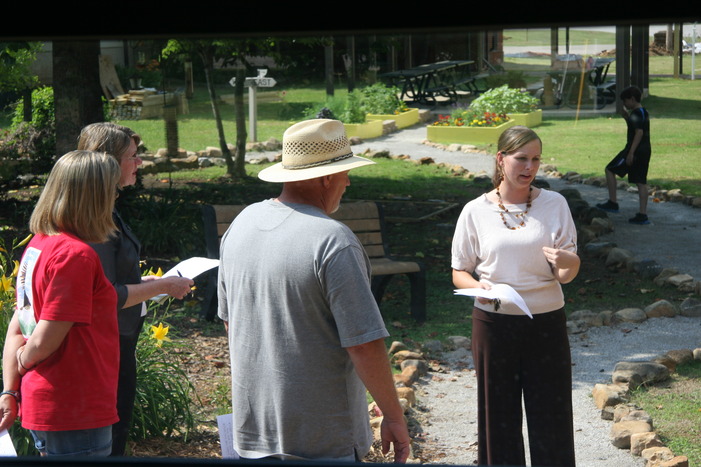
> After you have collected information, present the information that you learned in a faculty meeting.
> Contact the AWF Habitat Lab Specialists to set up a free faculty survey to gauge their interest in developing a Habitat Lab for hands-on learning opportunities, to determine any concerns they may have, and to find out which faculty members would like to serve on your Habitat Lab Team.
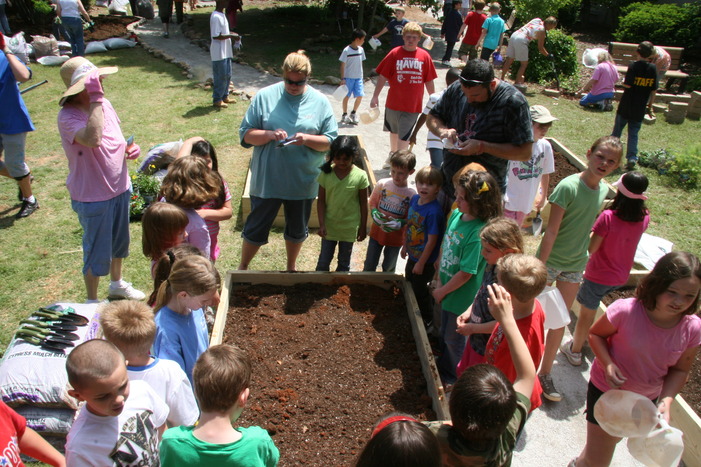
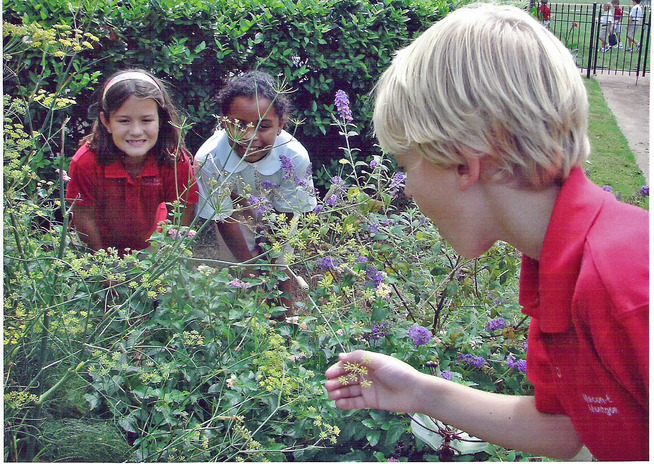
> Discuss the purpose of the Habitat Learning Lab and schoolyard wildlife habitat with your students.
> Include your students as much as possible in the design of the Habitat Lab, in the choice of native plants for the Habitat Lab, in the construction phases, and with maintenance and clean-ups to help foster feelings of ownership and prevent vandalism and littering.
> Give a Habitat Lab presentation to your PTA/PTO including outdoor learning station ideas from your visits with other Habitat Lab schools to explain how Habitat Labs can be used as an educational tool. You can also share the Benefits of a Habitat Lab (5-minute video) and/or the Benefits of the Habitat Lab Program (5-minute video) with the students’ parents at a PTA/PTO meeting, through email, or on your school’s website and/or Facebook/Instagram page.
> Provide updates about your school’s Habitat Lab development plans on your school’s website and/or Facebook/Instagram page.
> Ask the PTA/PTO to include an allocation for the Habitat Lab in their budget each year for activity materials and outdoor learning station maintenance.
> Discuss your Habitat Lab outdoor learning station ideas with your school’s custodians and/or grounds keepers to get their feedback.
> Ask about any maintenance issues or other concerns in the proposed Habitat Lab site that will require assistance from the maintenance department or impact their current maintenance and mowing practices.
> Contact your local representatives from your board of education, city council and county commission to inform them of your Habitat Lab plans as they may be able to provide support with construction or maintenance projects.
> Contact your county Alabama Cooperative Extension System office to ask how they can assist with Habitat Lab and how they can provide nature-based activities for your students. They may also be able to help you contact local Master Gardeners who would be able to assist your school.
> Contact your local school clubs (Beta Club, Science Club, Junior Master Gardeners, Future Farmers of America, 4-H Club, Junior Naturalists, etc) to see how they would like to get involved.
> Contact local community organizations and churches to see how they can assist. See the Community Support & Resources List on the Habitat Lab Funding & Support page.
Questions? Contact the AWF’s Habitat Lab Specialists.
