1 Collect Info | 2 Organize Committee | 3 Enroll | 4 Evaluate Campus | 5 Develop Master Plan | 6 Obtain Funding | 7 Construct HLL | 8 Integrate Curriculum | 9 Establish Maintenance Plan | 10 Certify
After you have informed key people about your Habitat Lab plans, you need to organize your Habitat Lab Team (planning committee) who will help you develop, manage, and sustain the outdoor learning stations and educational signage in your Habitat Learning Lab (aka “Habitat Lab”) from year to year. Below are tips for organizing your Habitat Lab Team and for leading a productive and successful Habitat Lab Team. Click on the maroon links below to learn more.
After your AWF Habitat Lab Specialist conducts your faculty survey to get your faculty’s feedback about developing, using and maintaining a Habitat Learning Lab, she will provide you a list of faculty members who signed up to volunteer on the Habitat Lab Team. If you only have two or three teachers sign up to volunteer to serve on the Habitat Lab Team, then you should invite other teachers to join the team.
Your goal is to have one teacher from each grade level (or one rep from K-2 and one from 3-5) to ensure that the Habitat Lab’s outdoor learning stations meet the needs of all students and teachers regardless of grade level. The team members can then share details about the Habitat Lab with the other teachers in their grade to keep everyone involved and informed. In addition, if feasible, it is extremely helpful to include all of the STEM, earth, and life science teachers on your Habitat Lab Team. (Note: Try to avoid assigning teachers to the Habitat Lab Team if possible.)
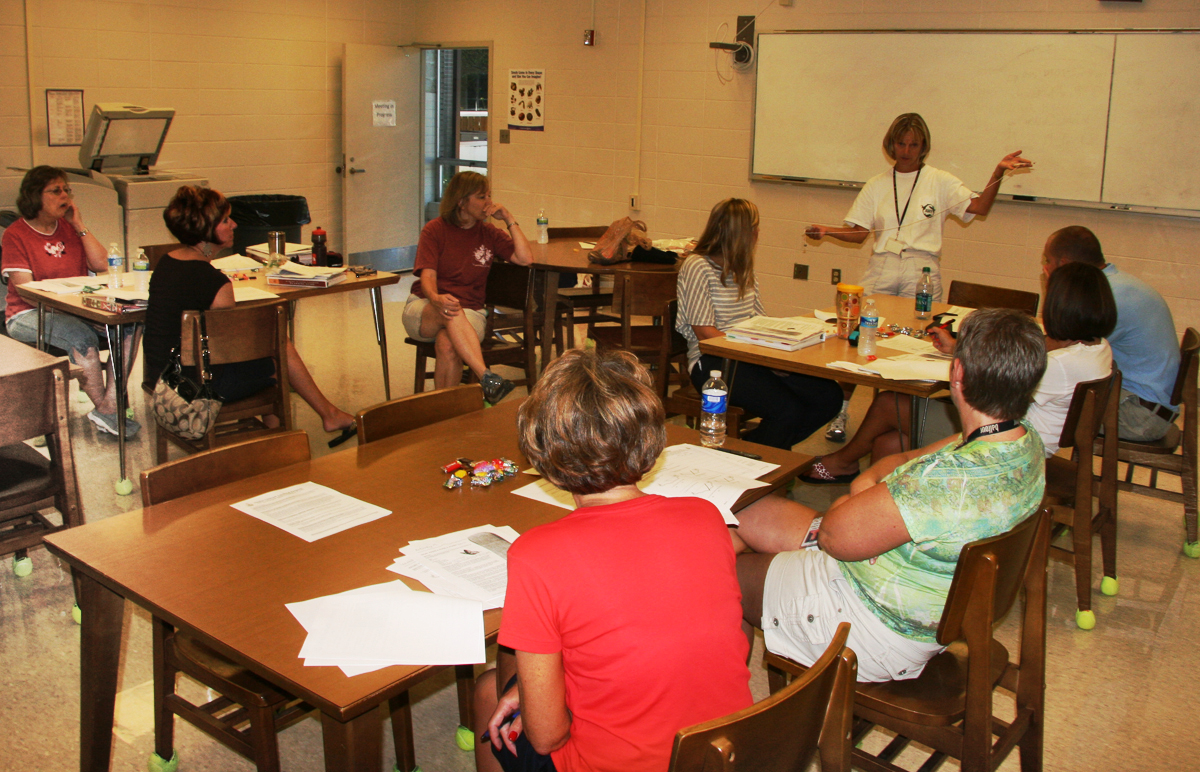
In addition to including faculty members on your Habitat Lab Team, you can also invite other members of your school community to serve on the team including the following:
Planning Guides for your Habitat Lab Team Members
If possible, provide a Habitat Learning Lab Planning Guide for each of your Habitat Lab Team members to help them understand the process and responsibilities associated with managing a Habitat Learning Lab from year to year. When you enroll in the Alabama Wildlife Federation’s Habitat Learning Lab program, you will receive three free Habitat Learning Lab Planning Guides. Planning guides can be purchased through the Alabama Wildlife Federation Store (coming soon!).

Habitat Lab Team Tasks
You may have more than one person sharing a particular task, or you may share these responsibilities evenly among the entire team.
Responsibilities include the following:
> Take notes and share the meeting notes with the whole team after the meeting.
> Maintain communication between the team members via email updates.
> Document progress with “before” and “after” photos, a scrapbook, and/or video journal.
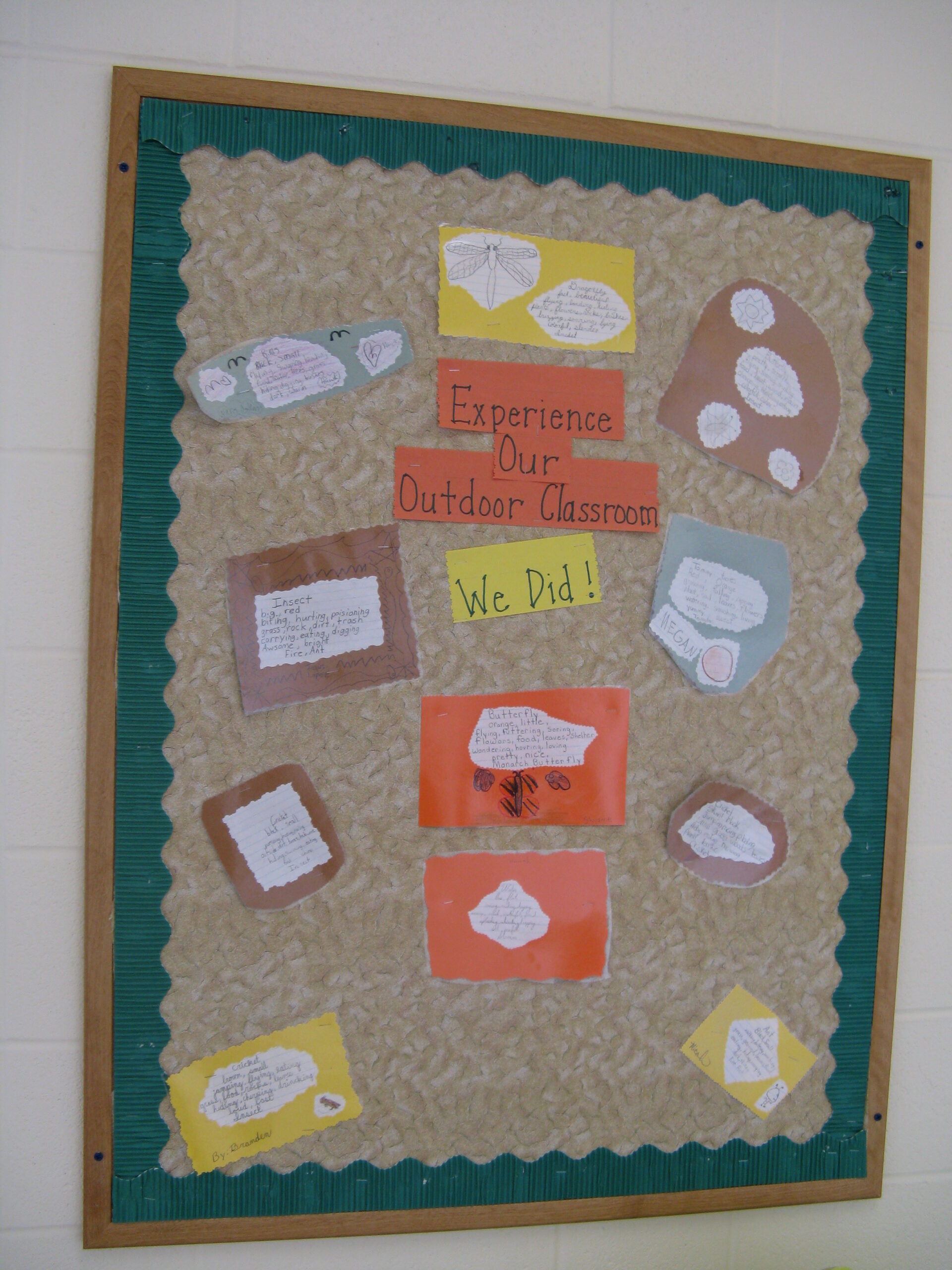
> Maintain a Habitat Lab bulletin board in the school with photos of what plants are growing or blooming in the Habitat Lab and what wildlife is visiting the habitat to encourage teachers to use it as an “outdoor living laboratory” with their students.
> Research and write grant proposals for materials needed to create and use the outdoor learning stations, educational signage, and activity kits.
> Prepare a “wish list,” and ask parents and local businesses for monetary or in-kind donations.
> Work with the school bookkeeper to gather quotes and invoices, submit Purchase Order requests, collect receipts, and submit payment for items and services related to the Habitat Lab.
> Coordinate the Maintenance Plan including the Learning Station Adoption Program and work days in the Habitat Lab.
> Write thank-you notes for donations of time, materials, plants, or educational resources.
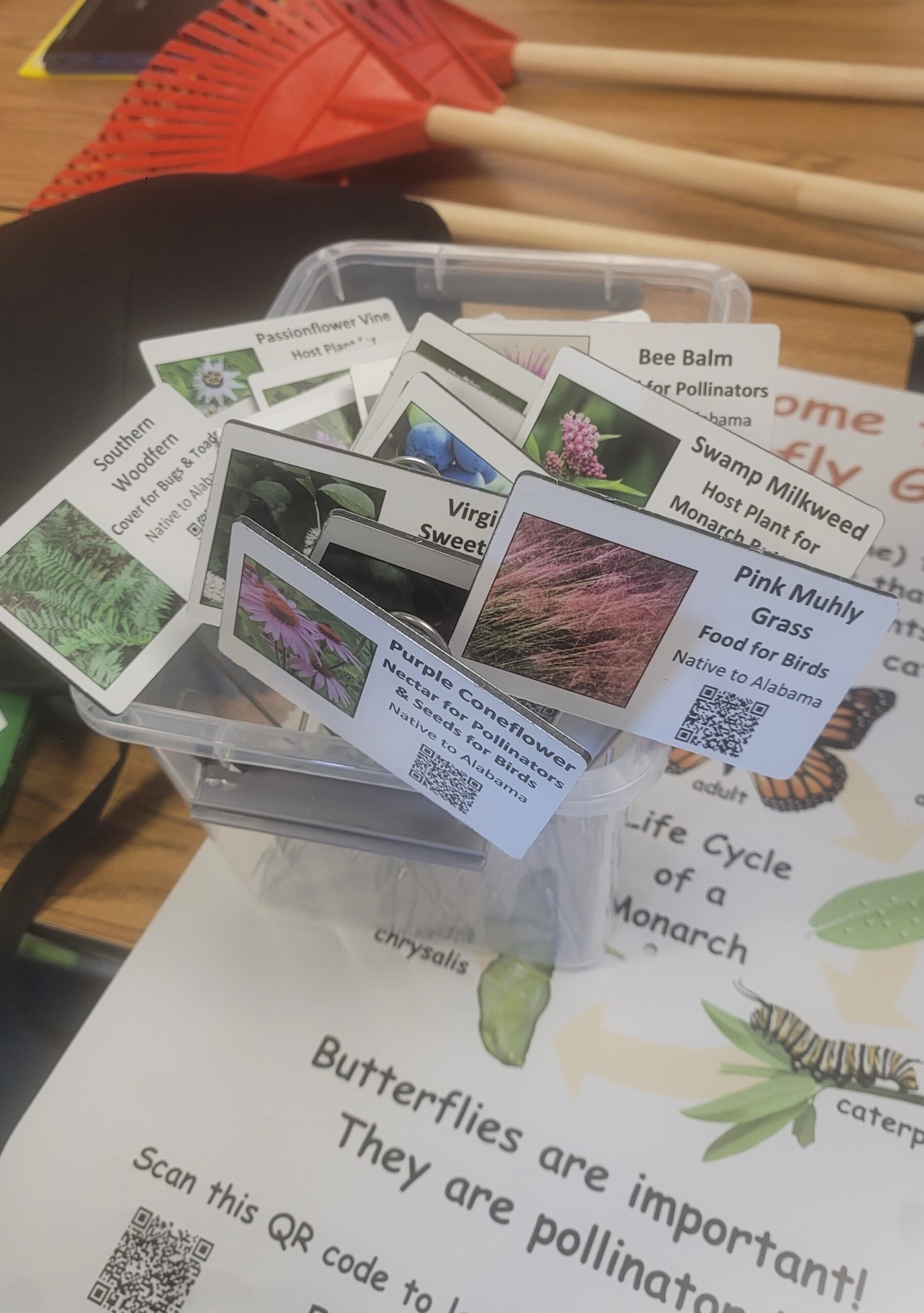
> Compile educational resources and activity kits that can be used by all of the teachers for Habitat Lab activities.
> Share local workshop and webinar opportunities and the AWF Habitat Lab Expo with your faculty.
Questions? Contact the AWF’s Habitat Lab Specialists.