
Investigate Alabama’s Native PlantsBiodiversity refers to the number of different species (kinds) of living things that live in an area.
Alabama has some of the greatest native plant biodiversity in the United States with over 3,000 different native plant species and ranking #9 in overall plant diversity in the United States. The great variety of terrestrial (land) habitats and waterways running through the state provides a wide range of habitats for plants including some that cannot be found anywhere else in the world.
Biodiversity refers to the number of different species (kinds) of living things that live in an area.
Alabama has some of the greatest native plant biodiversity in the United States with over 3,000 different native plant species and ranking #9 in overall plant diversity in the United States. The great variety of terrestrial (land) habitats and waterways running through the state provides a wide range of habitats for plants including some that cannot be found anywhere else in the world.
A species (type) of plant that naturally exists in an area without humans introducing it there.
A species of plant that humans introduced (on purpose or by accident) to a new area where it would not be found naturally.
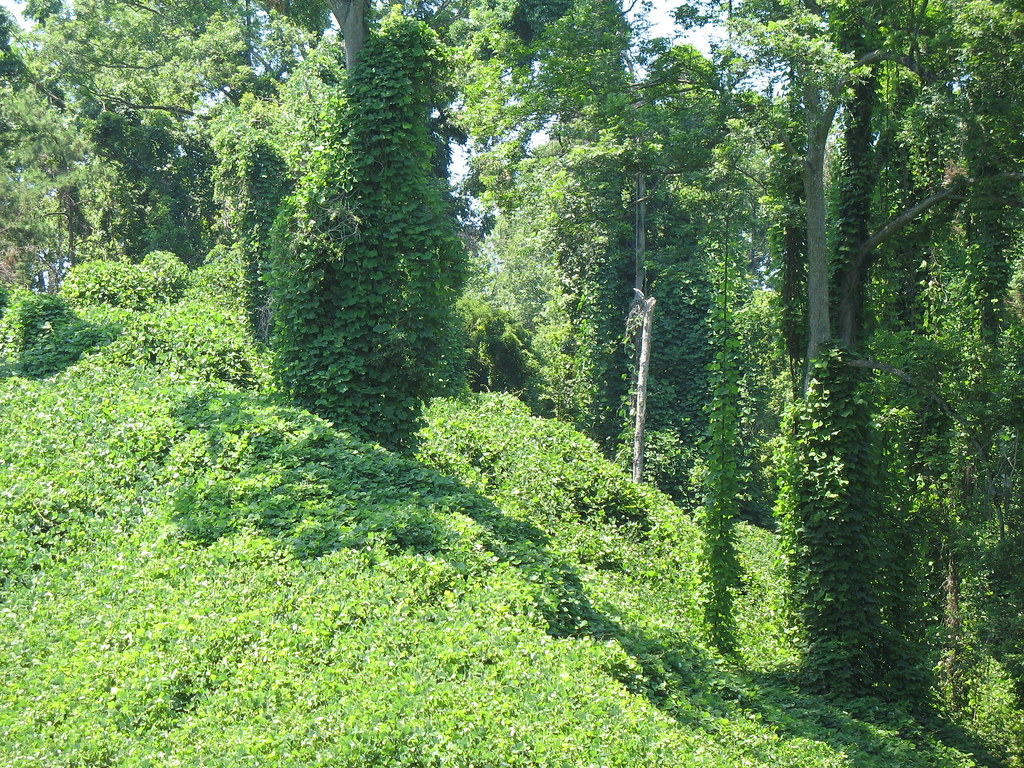
A non-native species that aggressively reproduces and invades native plant communities, taking away the food, water, and space that the native plants need to survive.
Classification is the process of organizing organisms into groups based on similarities. Scientists use basic traits to group organisms into taxonomic classes (groups). These groupings start broad and are further broken down into more specific groups within the larger group. A species is the most specific category within the classification system.
All plants are classified in the Kingdom Plantae.
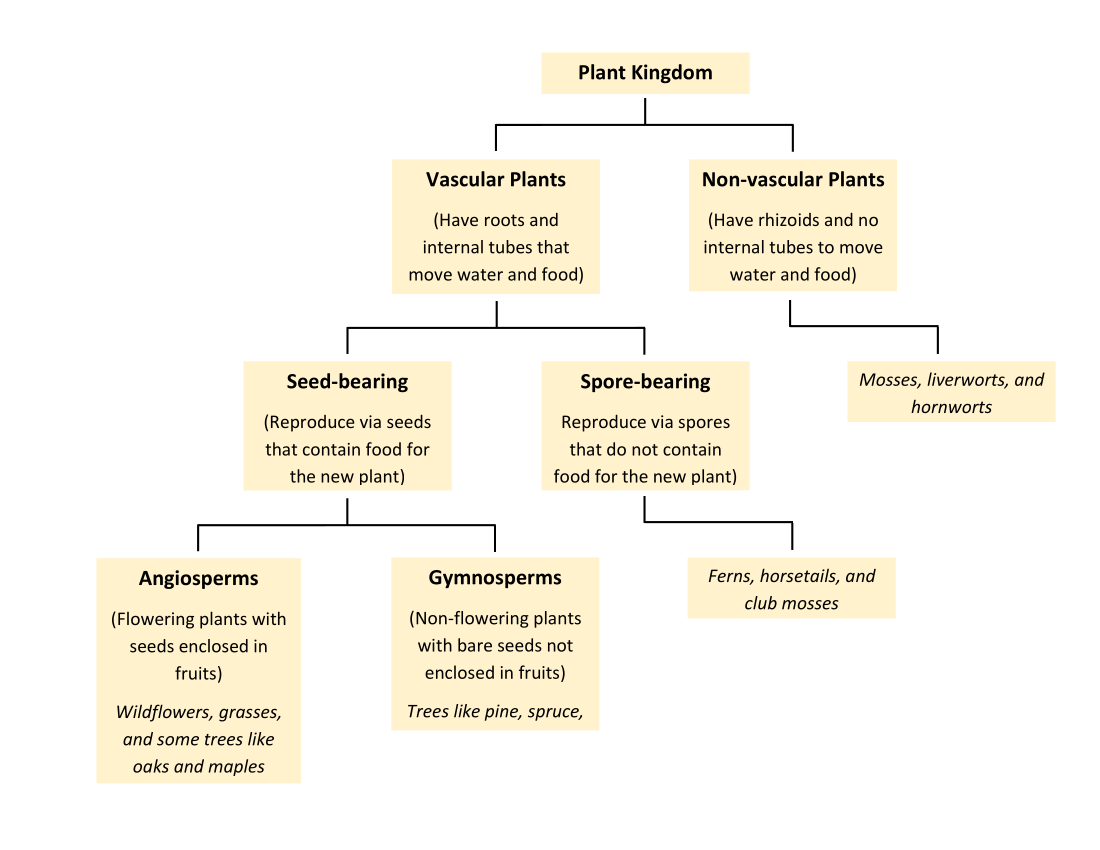
While all plants are made up of similar parts that are essential in maintaining their survival (i.e. roots, stem, leaves, etc.), they often look and behave differently in other ways. These differences in characteristics are used to group plants further into phyla, classes, orders, etc. This chart shows some of the main characteristics that are considered when classifying plants into groups.
Alabama is home to over 3,000 species of native plants.
28 of those species are endemic (found only in Alabama)
#9 in overall plant diversity in the United States!
#2 in carnivorous (meat-eating) plant diversity in the United States!
#1 in pitcher plant diversity in the United States!
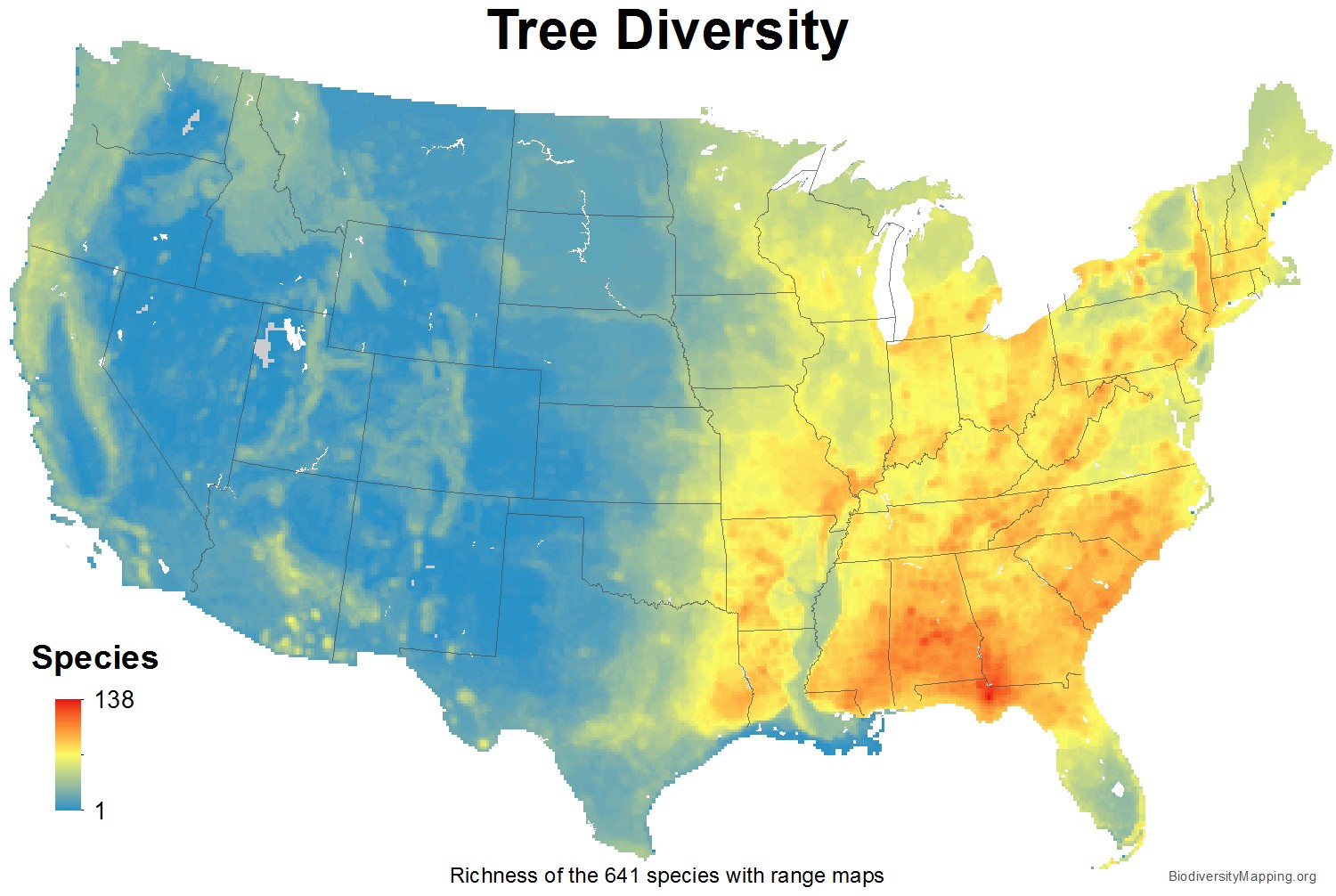
There are roughly 200 species of trees in Alabama, making it a hotspot for tree diversity in the United States.
Click image to enlarge it
Use the resources below to find which plant species are native to your area.
Longleaf Pine Tree
The Longleaf Pine is Alabama’s state tree. It was once the dominant pine species across the southeastern United States but is now present in only 4% of its historic range. The majority of longleaf forests in Alabama occur in the Southeastern and Southern Coastal Plains, with some presence in the Piedmont and Ridge and Valley areas.
These ecosystems is home to over 100 threatened and endangered wildlife species, some of which can not exist in other ecosystems.
Longleafs depend on fire for survival and have special adaptations throughout their life cycle that allow them to survive fire.
To read more about longleafs, visit our Dig Into Plants: Longleaf Pine webpage.
Alabama Canebreak Pitcher Plant
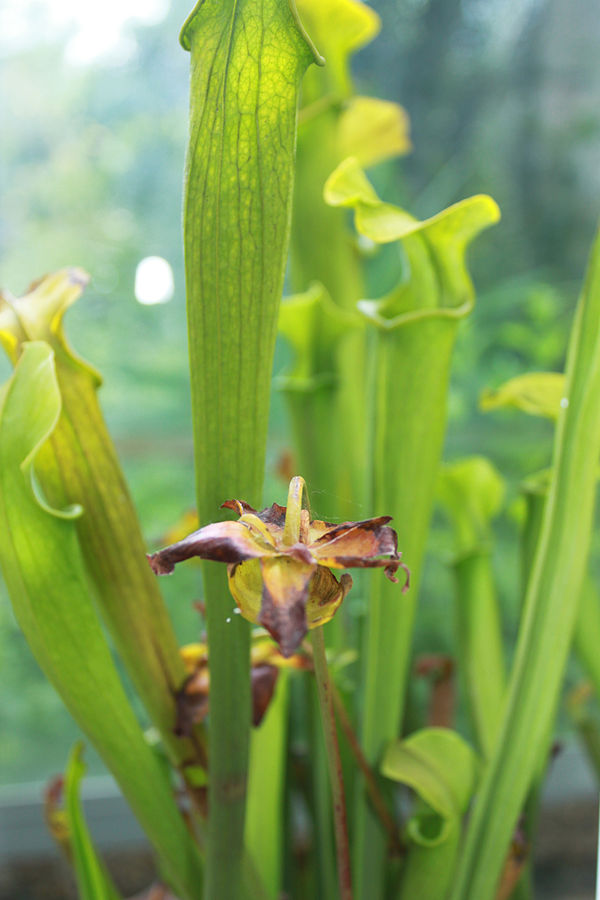
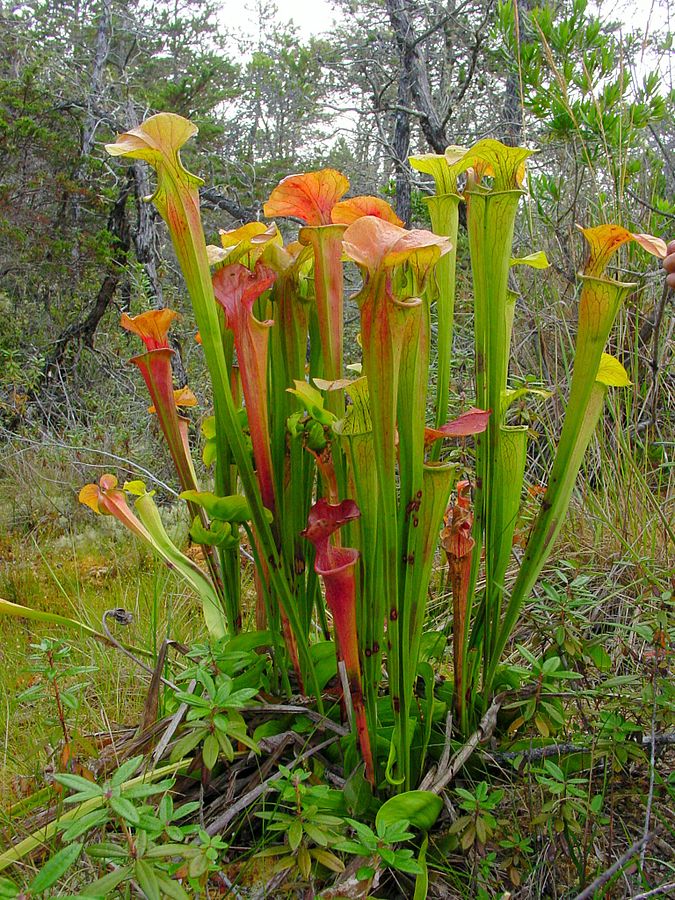
The Alabama canebreak pitcher plant is one of Alabama’s two endangered pitcher plant species. This means they are at high risk of extinction and are protected by the federal government.
Pitcher plants are carnivorous plants (plants that capture and eat insects and other animals) and Alabama has more species of them than any other state!
This species can only be found at 11 sites across Chilton and Autauga counties in central Alabama. They have tubed-shaped leaves that are yellow-green in color with red veins and look like old-fashioned milk pitchers. The pitchers attract and trap insects. Nectar is produced just inside the top of the pitcher, luring prey (food) in. Once an insect or other prey drinks some nectar, it falls down into a liquid inside of the pitcher. The inside walls of the pitcher are smooth and waxy with downward-pointing projections, making it very difficult for prey to escape. The prey then dies and is digested by the plant.
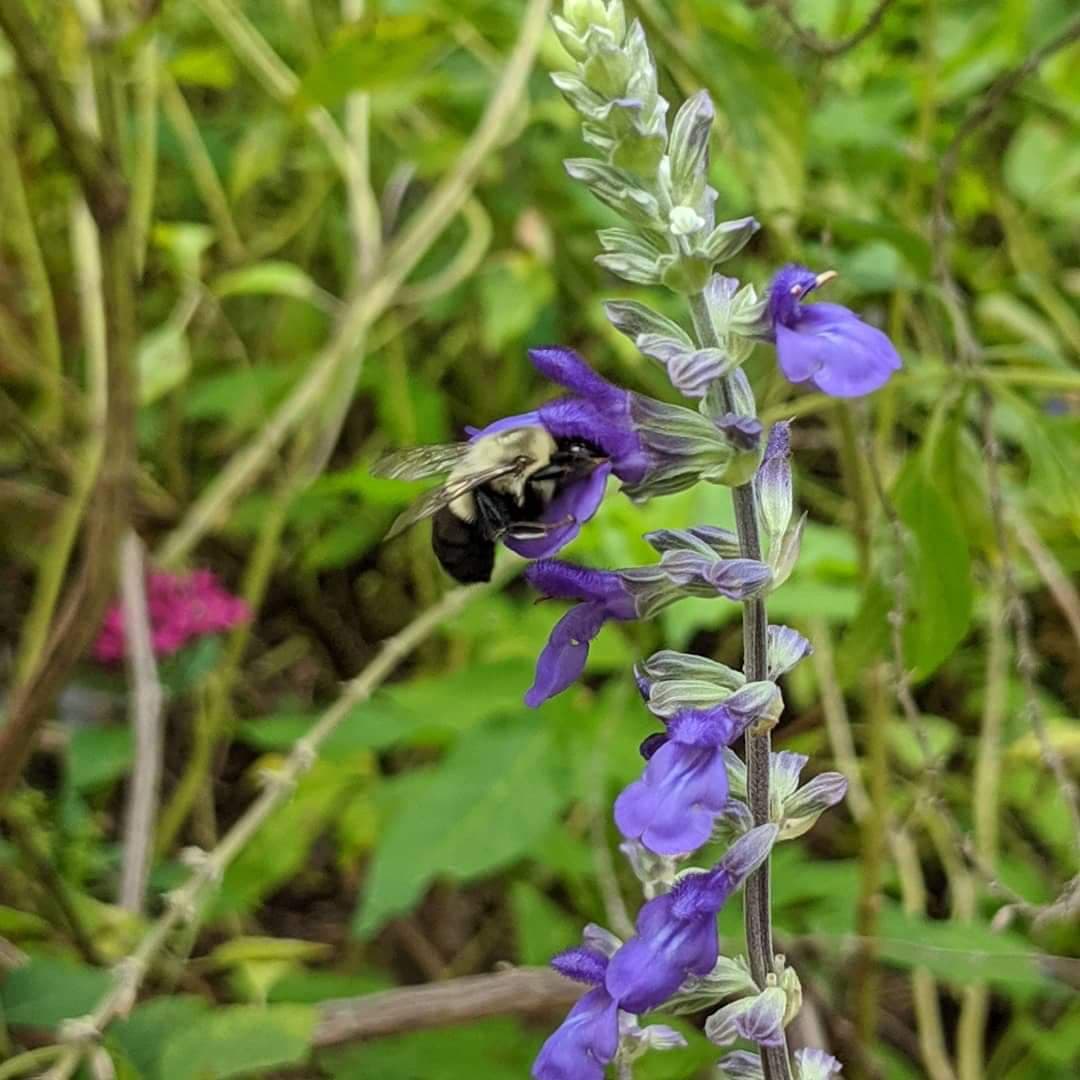
Native plants are very important!