Similar Species Although moss, algae, mushrooms (fungi) and lichens are often thought of as plants, they do not have the same shape and structure as common plants like wildflowers, bushes or trees. These differences have led to these groups of organisms being classified into four different Kingdoms (or categories).
Similar Species Although moss, algae, mushrooms (fungi) and lichens are often thought of as plants, they do not have the same shape and structure as common plants like wildflowers, bushes or trees. These differences have led to these groups of organisms being classified into four different Kingdoms (or categories).
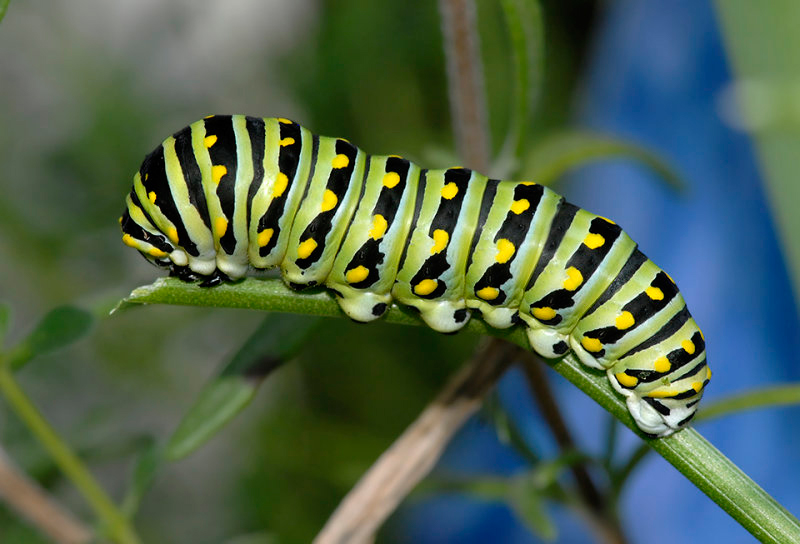
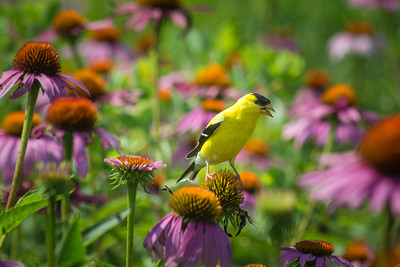
These plant suggestions are based on the benefits that the plants provide for backyard wildlife. Many of these plant species provide food sources for many types of wildlife including butterflies, caterpillars, native bees, other pollinators, hummingbirds, and other songbirds. Learn more with our Plant Purpose Chart!
Learn why it is important to Plant Native Plants instead of non-native species whenever possible.
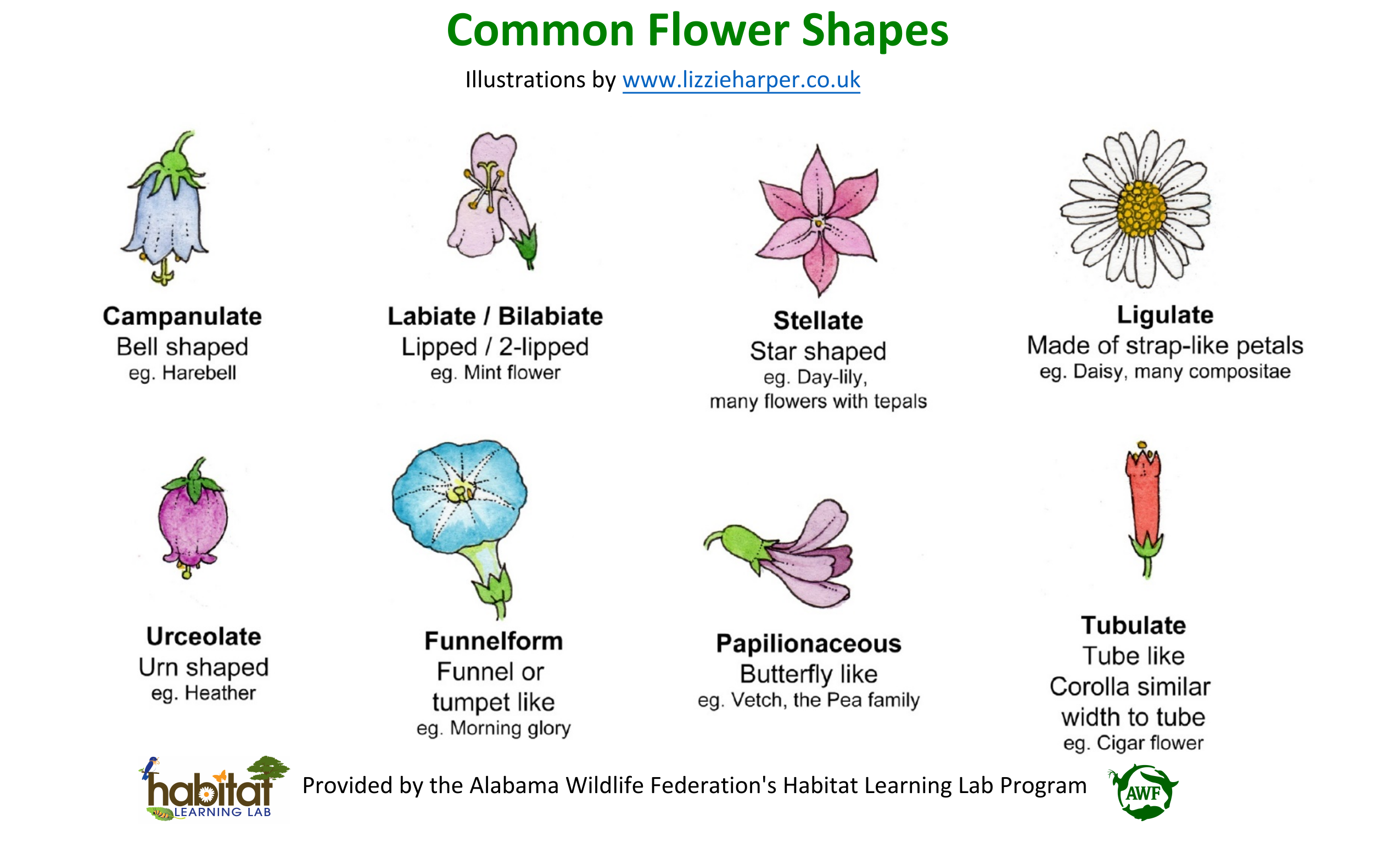
Leaf Description Chart & Flower Shapes Chart
Click on the charts to view them in a new, larger window. Click on the names of the charts (in maroon) to download them.