
Investigate Frogs and Toads and Their HabitatYour frog bog and pond provide the habitat that frogs and toads need for food, water, shelter, and a place to raise their young.
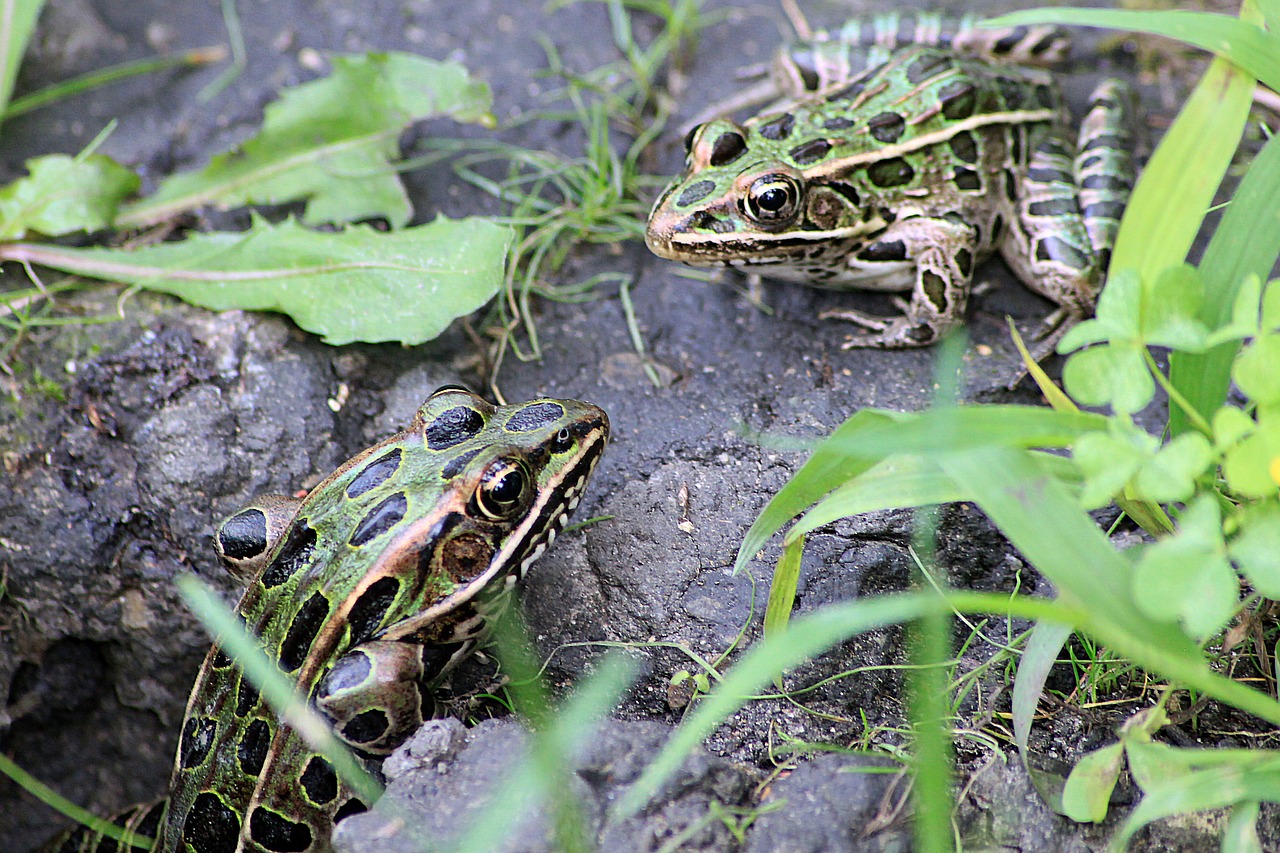
Your frog bog and pond provide the habitat that frogs and toads need for food, water, shelter, and a place to raise their young.
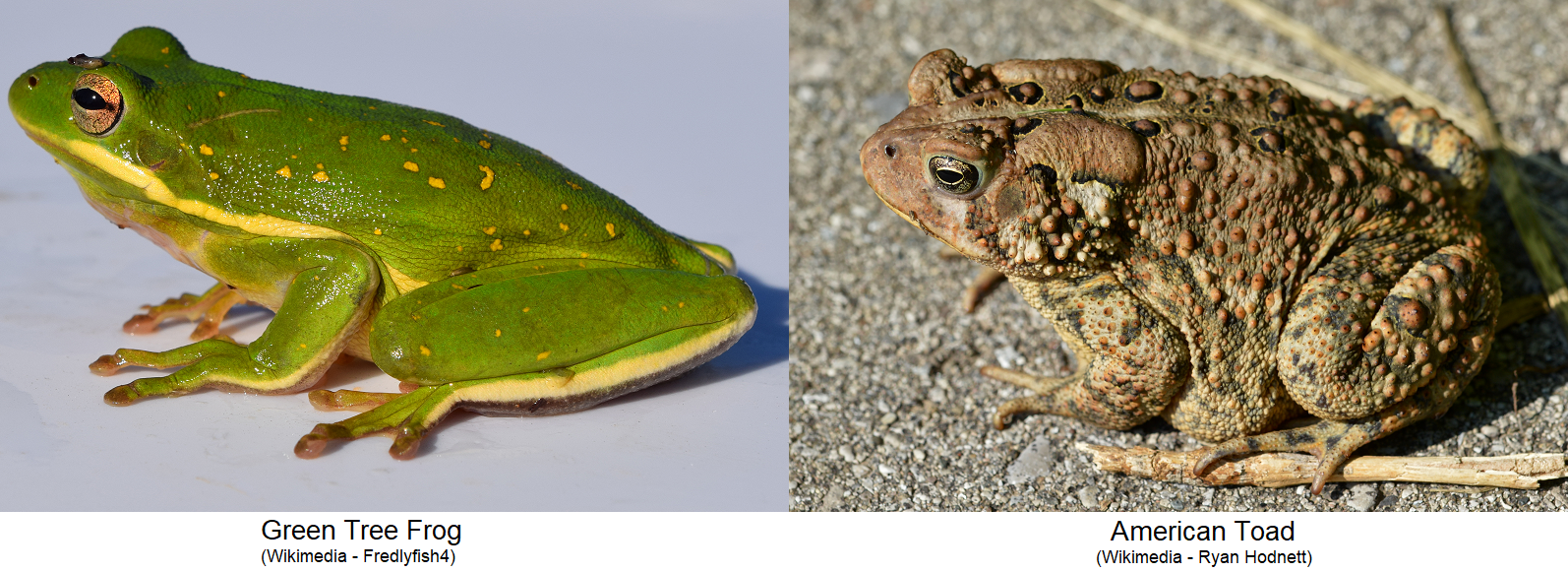
There are three easy-to-spot differences between frogs and toads:
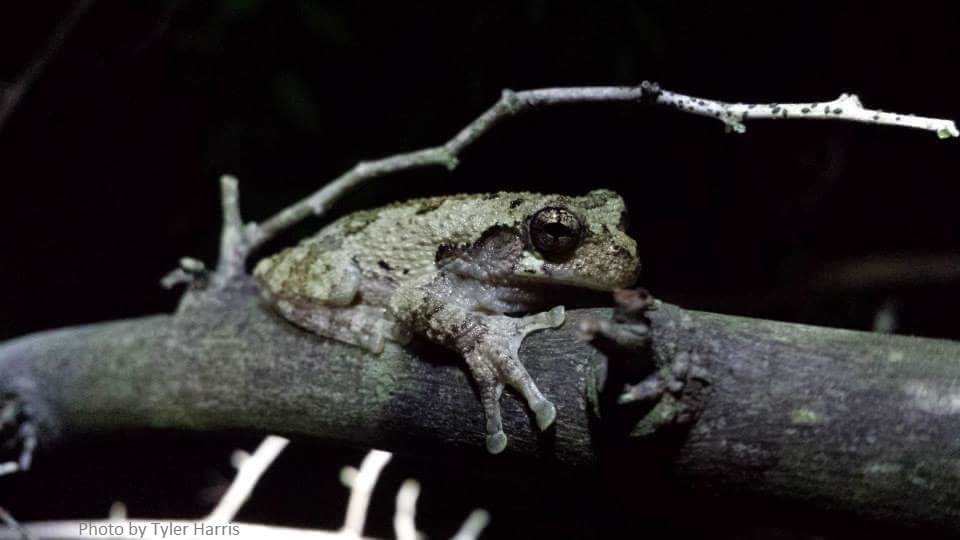
Frogs can be divided into different groups based on their traits or characteristics. This is called classification. For example, tree frogs have bulging eyes and round discs at the tips of their toes that they use for climbing. “True frogs” like bullfrogs are relatively large, have webbed feet for swimming, and often have raised ridges running along their backs. Toads are characterized by their warty skin and shorter hind legs.
To see a full list of the frogs and toads found in Alabama, CLICK HERE!
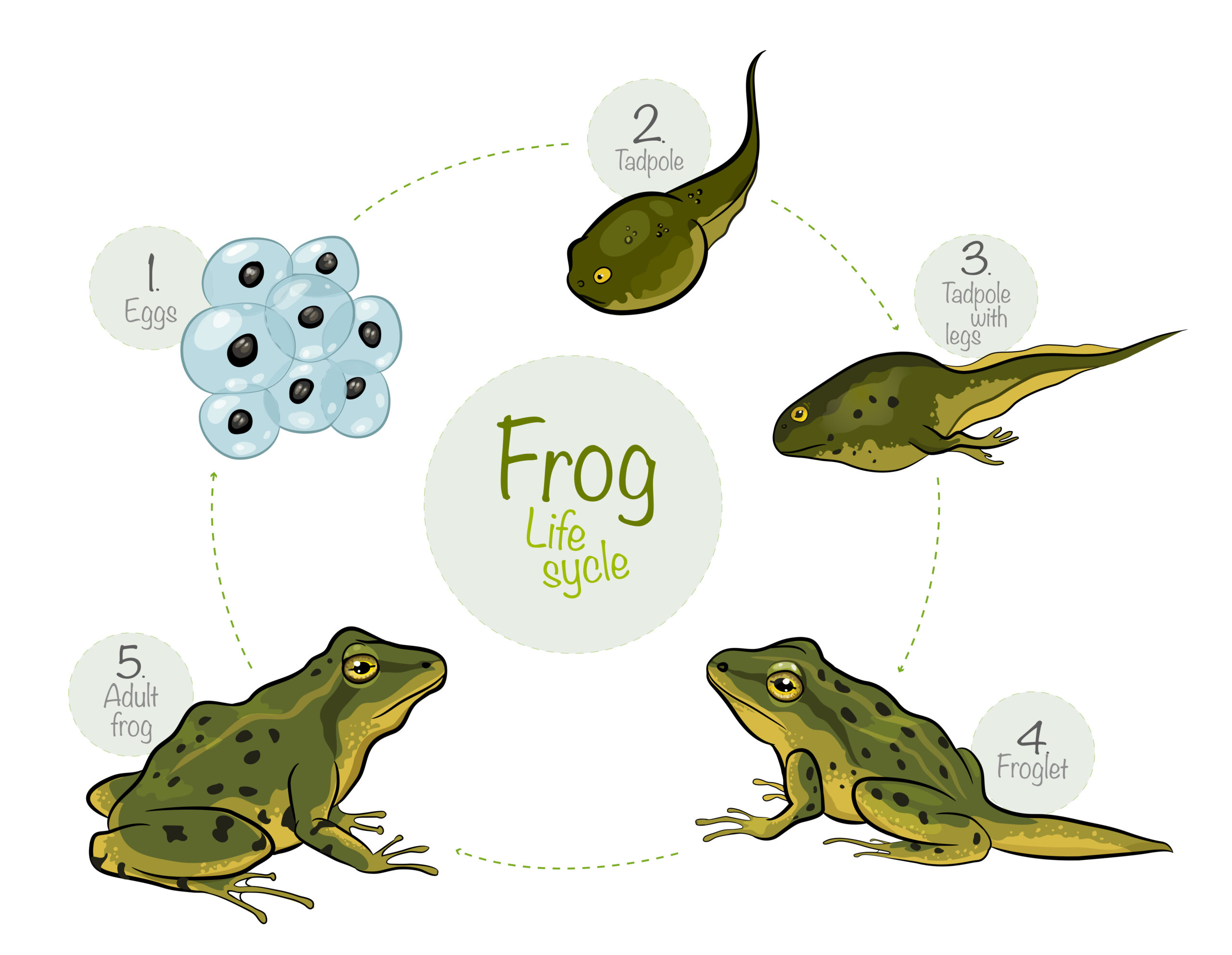
Frogs and toads both live part of their life in water and part on land. Baby frogs do not look like adult frogs. They undergo metamorphosis (a physical change) as they grow.
The pond and bog in your Frog and Toad Habitat provide food, water, and shelter for frogs and toads as well as their tadpoles.
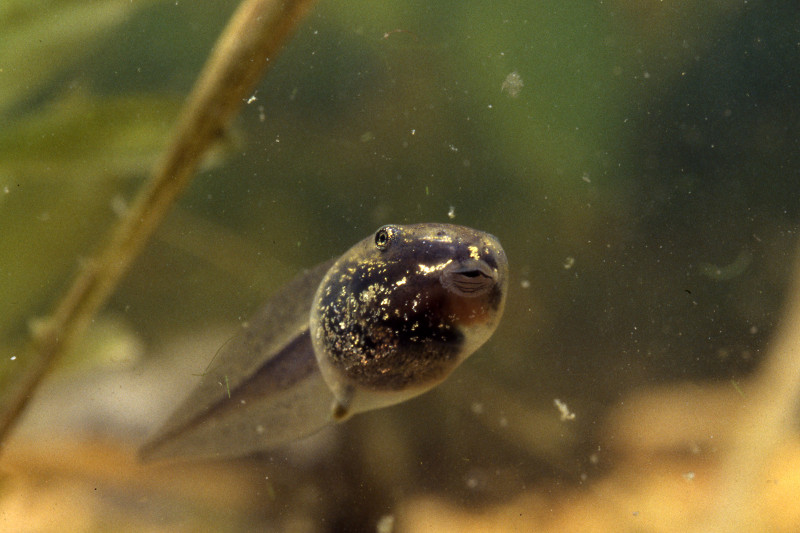
Frogs and toads begin life as herbivorous, aquatic tadpoles that feed on vegetation in the pond. As they go through metamorphosis their mouthparts change and they become carnivorous, terrestrial adults. The water in and vegetation around your pond will provide food directly for the frogs and toads as herbivorous tadpoles, as well as carnivorous adults by attracting insects and insect larva.
Frogs and toads require water for reproduction, their aquatic larval stage, and for keeping their skin moist and hydrated as adults. The pond will provide the water needed for frogs and toads throughout their whole lives. The aquatic plants inside of and around the pond will filter and aerate the water.
The marginal aquatic plants in the pond, the rocks lining the pond, the bog plants, and the moist soil in the bog will provide shelter for the frogs and toads.
Frogs and toads will lay their eggs in your pond. They do not protect or stay with the eggs once they are laid, and tadpoles hatch from the eggs ready to start life on their own.
#1: Frogs and toads have unique, specialized feet for their specific habitats. Tree frogs have toe pads that help them stick to surfaces while they are climbing. Species of frogs, like bullfrogs, that live in water have webbed hind feet to help them swim. Spadefoots, a type of frog that burrows into soil and lives there most of the year, have hard spots called “spades” on their hind feet that help them dig.
#2: Frogs absorb water and even breathe through their skin. This is why it’s important that you don’t hold them in your hands for a long time (they’ll dry out) or hold them if you have chemicals on your hands like bug spray or lotion. This is also why their presence or absence is great at telling us when a wetland is polluted – they can not survive in a habitat that is polluted.
#3: Alabama has the third highest number of amphibian (frogs, toads & salamanders) and reptile (snakes, turtles, lizards, and alligators) species out of all 50 states in the U.S. This means we have more reptile and amphibian diversity than all but two other states.
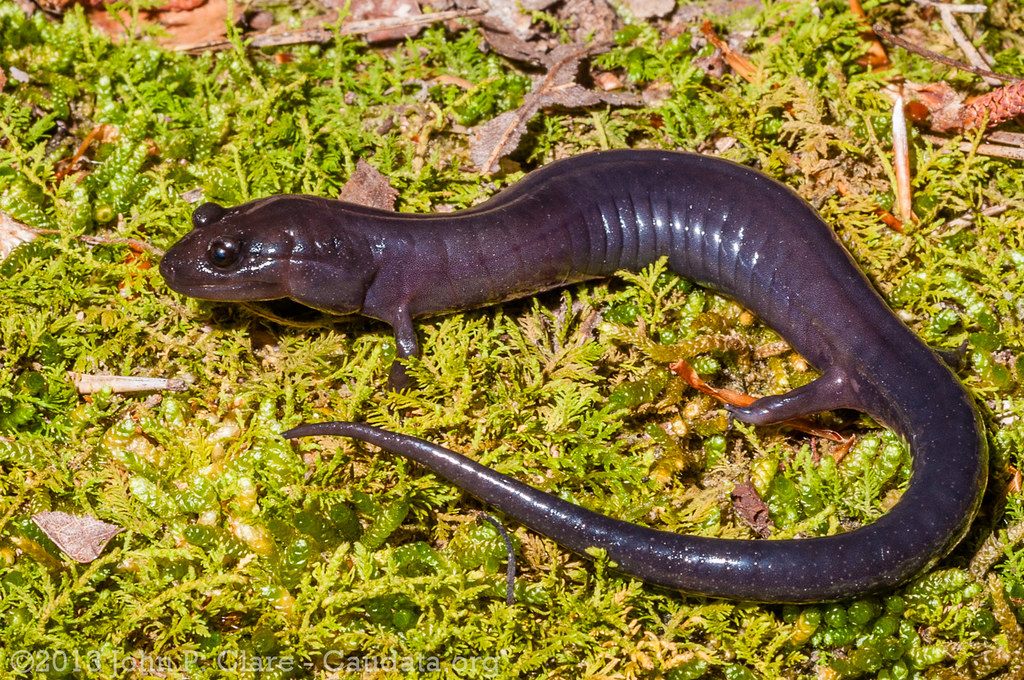
#4: Our “State Amphibian” is the Red Hills Salamander.