
HABITAT LEARNING LAB:

Investigate Growing Your Own Food

Investigate Growing Your Food

Growing your own food is good for you and the environment! You can grow fresh fruits and vegetables at your school or your home throughout most of the year in Alabama.

Investigate 
Growing Your Food

Growing your own food is good for you and the environment! You can grow fresh fruits and vegetables at your school or your home throughout most of the year in Alabama.
 

Learn More About...

Benefits of Growing Your Own Food

There are many benefits to growing your own food – for you and for the environment!

Nutrition

A diet of fresh food is one with a lot of vitamins, minerals, and nutrients.

Most produce sold in grocery stores have to go through a long process of shipping after being harvested, and waiting to be purchased once on the shelf.

During this period, it loses much of its nutritional value.

Sunshine

Gardening outdoors means working in the sun and in turn absorbing vitamin D – a vitamin critical for strong bones and teeth.

Exercise

Working in a garden requires some level of physical activity.

This activity improves heart health and the immune system, decreases stress, and improves strength and motor skills.

Money

Growing your own food means you don’t have to buy it from the store – saving you money!

Eco-friendly

Big farms that grow produce you buy in the store often use chemicals to treat the plants – you don’t have to use these chemicals at home!

And the transportation of the produce from the farm, to a distribution centers, then to the stores requires lots of gasoline – using non-renewable fossil fuels.

To read about when you should plant, prune, and harvest fruits, vegetables, and other plants in your outdoor classroom, check out this helpful gardening calendar from ACES.

Berry Gardens and Fruit Orchards

What is a fruit?

A fruit is a seed-bearing structure that develops from the ovary (female reproductive part of a plant) of a flowering plant.

Some obvious examples of this include apples, strawberries, and bananas.

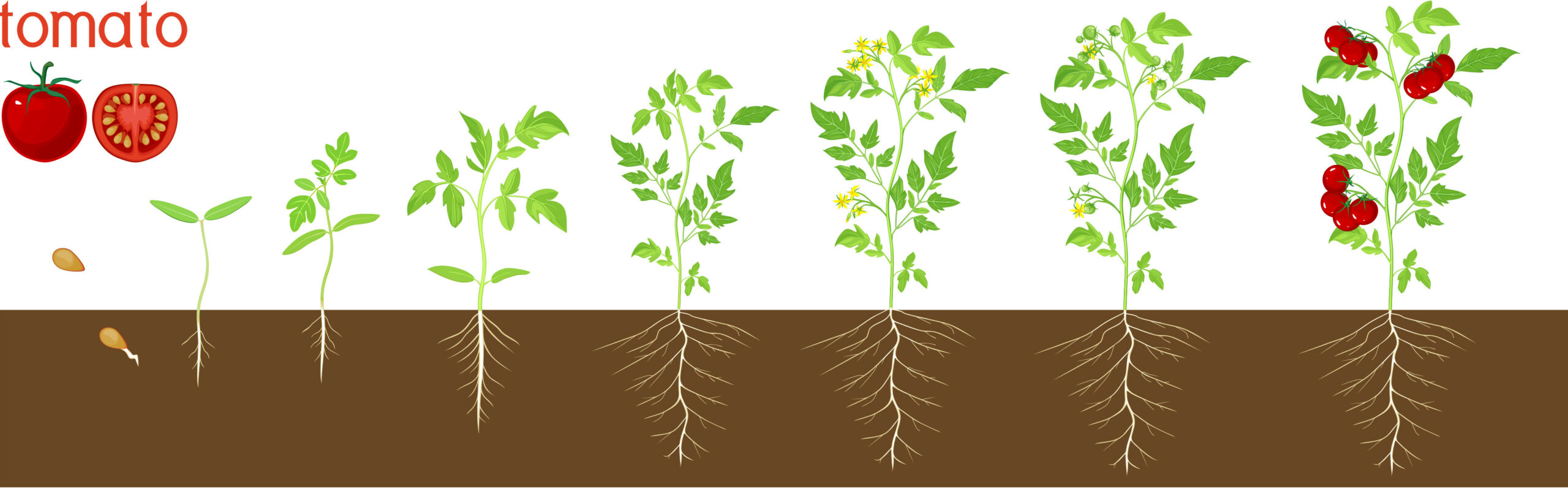
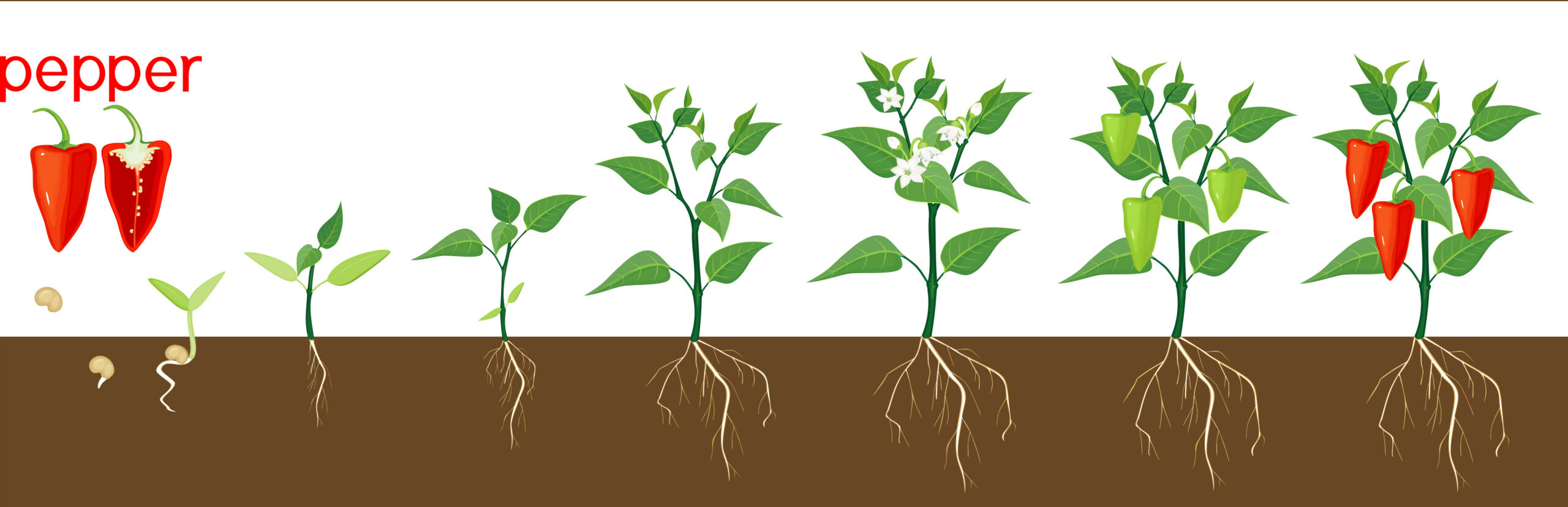
Some examples that you may have thought were vegetables but are actually fruit include beans, squash, tomatoes, and peppers.

Tomato and Pepper Growth – Fruit from Flower
Dreamstime

Fruits in your Outdoor Classroom:

Fruits are often grown in outdoor classrooms in berry gardens and fruit orchards. Some common examples are below.

  • blueberries, strawberries, winterberry, beauty berry, apples, peaches, pears, figs, squash, cucumbers, tomatoes

Don’t pick all of the fruits in your outdoor classroom for yourself, save some for the wildlife. Birds are particularly fond of berries.

(Native) Cedar Waxwing Eating Berries
Pixabay – George B2

Vegetable Gardens

What is a vegetable?

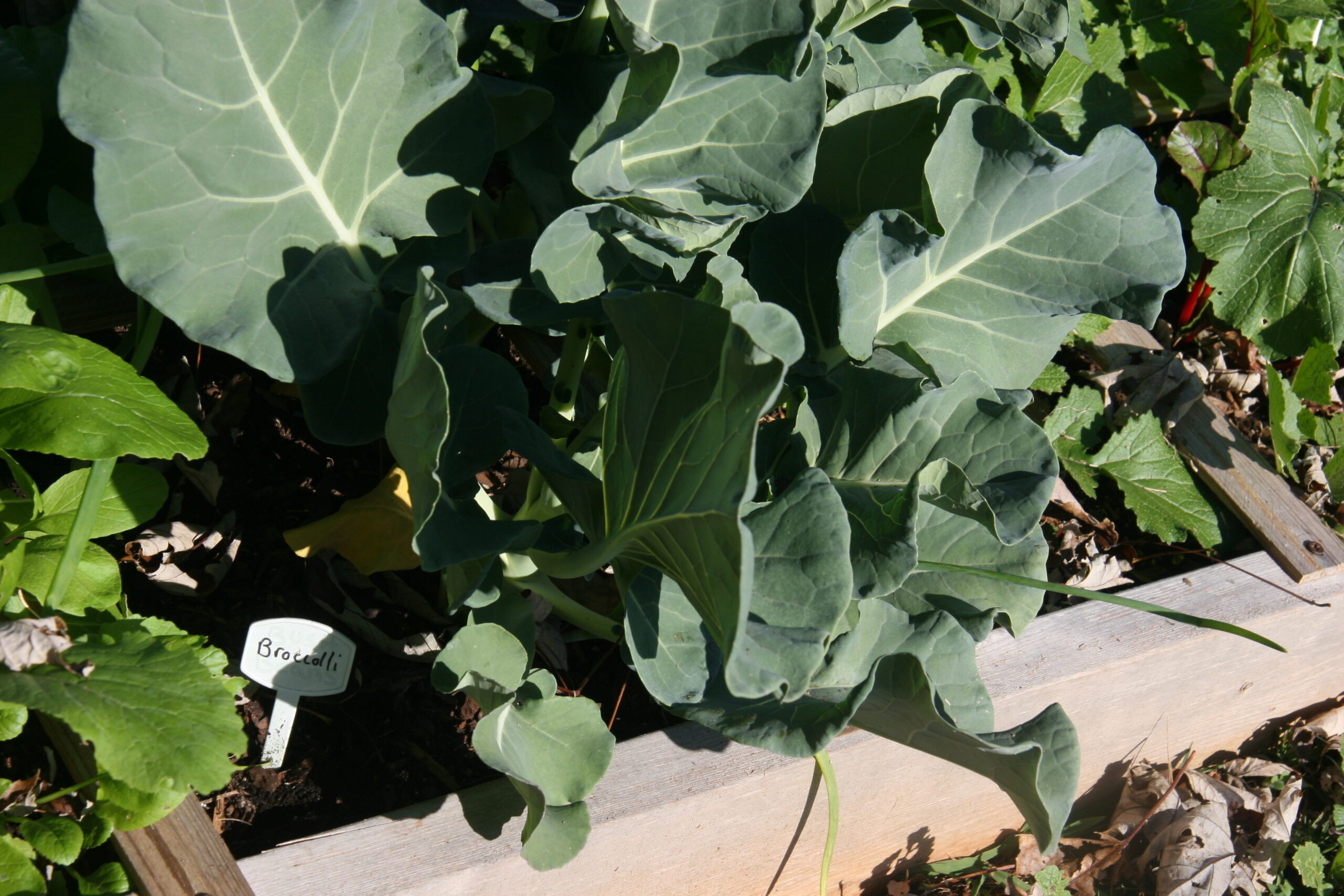
A vegetable comes from other parts of the plant.

Some vegetables are actually the roots of the plant, like potatoes, while others are the stems, like asparagus, or leaves, like lettuce.

Vegetables in your outdoor classroom:

Vegetables are often grown in outdoor classrooms in raised garden beds. Some common examples are below.

  • lettuce, lettuce, spinach, kale, carrots, potatoes, corn, onions

Consider sharing your vegetables with your schoolmates in the lunchroom. And don’t forget to compost your scraps!

Growth Process of Some Common
OC Vegetables

Dreamstime

INFORMATION SOURCES