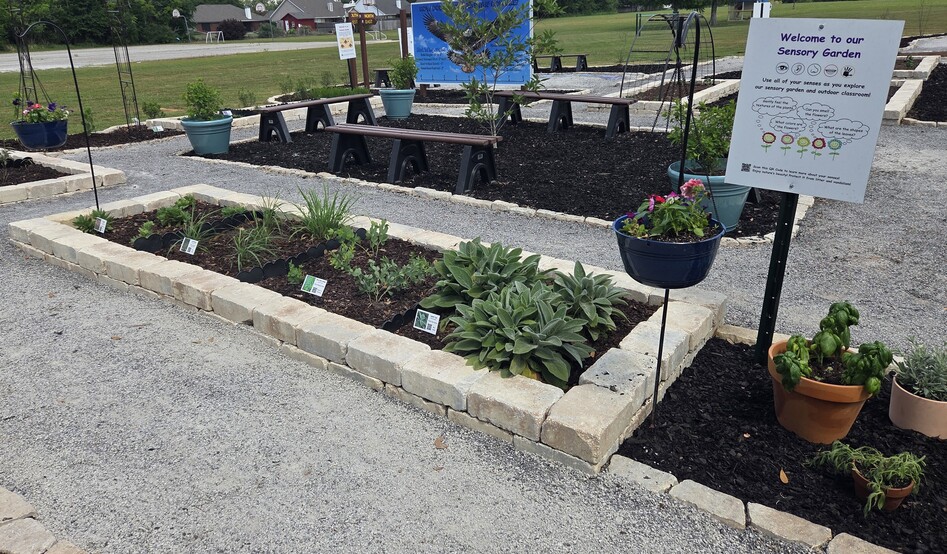
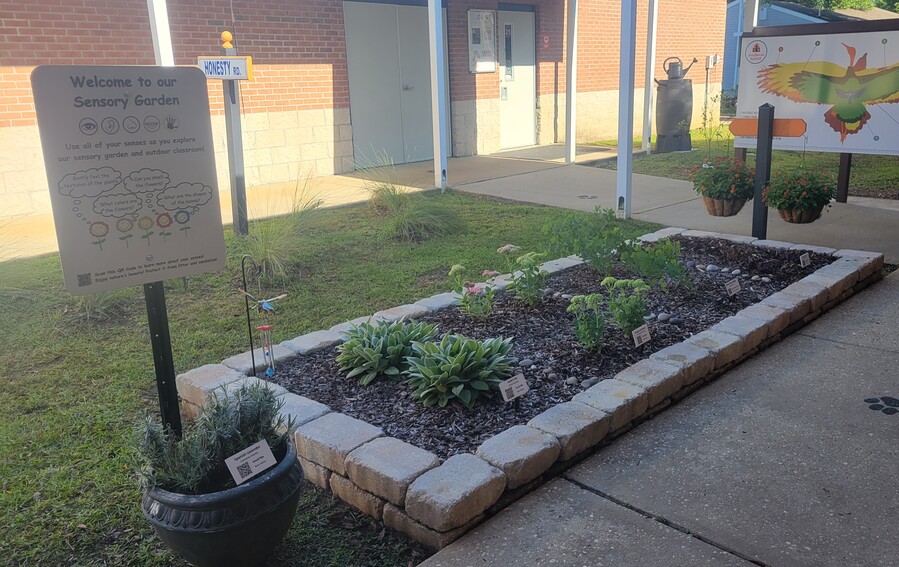
In a Habitat Learning Lab (aka “Habitat Lab”), a Sensory Garden includes plants that help teach students how to use all five senses. Different plants have bright flowers or leaves to trigger a visual response, while other plants feel, taste, or smell unique. Wind chimes can offer an opportunity for students to see and hear how the wind moves them. This will also help them listen for birds visiting the garden as it helps hone their sense of hearing.
Below is information to help you build, use and maintain your Sensory Garden:
Below are suggestions for plants and other items you can include in and around your Sensory Garden to stimulate all 5 senses.
Sight: When selecting flowers, try to have a mix of energizing and restful colors. Be sure to group plants in clusters but remember to use contrast when selecting items. Plants that attract bright butterflies are generally good choices but don’t limit yourself to plants as brick, gravel, or stone and other non-living items are great for creating visual interest and balance.
Sound: Certain ornamental grasses, as well as man-made additions like wind chimes and water fountains or a bird bath also add to the sounds of the garden. Consider incorporating multiple sets of chimes – each one made from a different material (metal, bamboo, etc.)
Smell: Select herbs or perennials with strong scents.
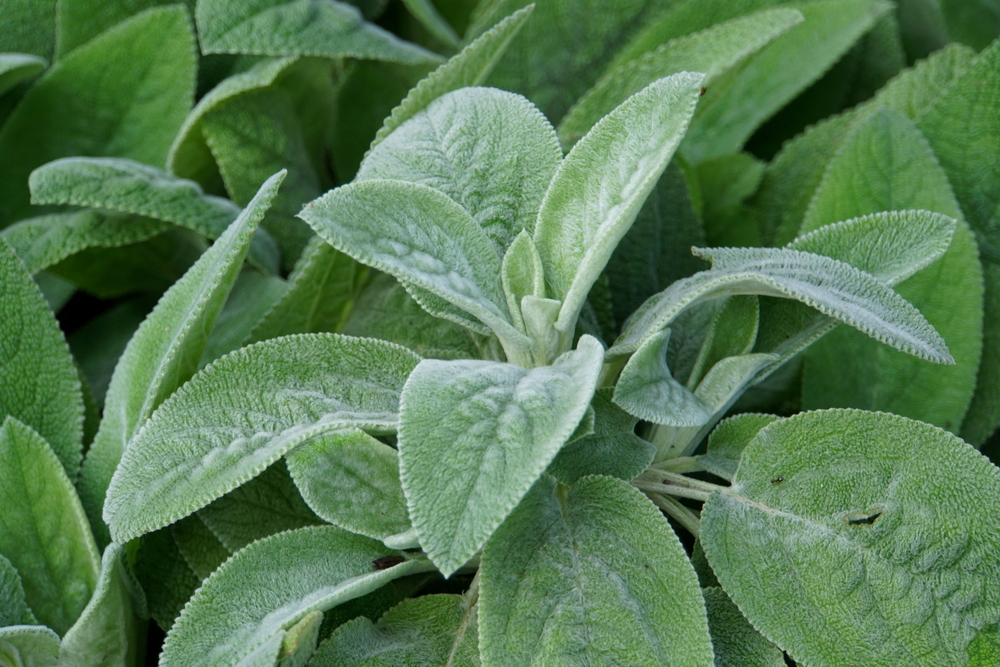
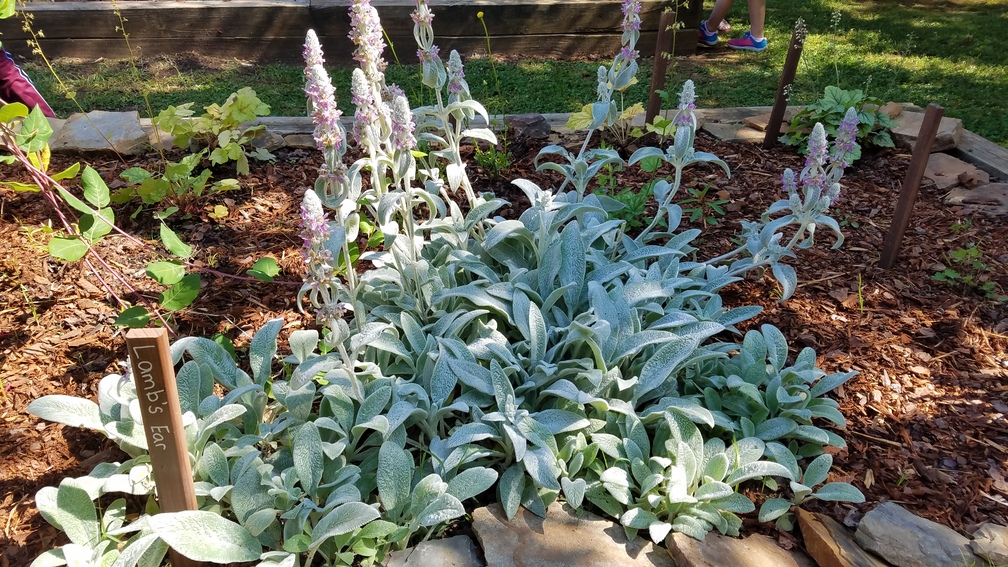
Feel: Select plants with different textures – soft, wispy, (lightly) pokey, etc. Incorporate different textured rocks or mulch as well to offer different textures beyond the plants.
Taste: It is important that you only allow students to taste plants that are clearly labeled, approved beforehand, and aren’t grown using chemical treatments. Be sure to ID/ separate the edible plants from the others. If you use chemical treatments in your garden, be sure your edible plants are in pots that are removed from the area before any treatments in the garden are done.
See our Plant Suggestions below for a more complete list of plants we recommend you include in your Sensory Garden.
Project Plan: Materials Budget & Construction Instructions
Sensory Garden Project Plan:
(Materials Budget & Construction Instructions)
These FREE Materials Budget documents (listed below) include a list of all of the materials needed to construct a sensory garden of your own:
Standard 3-Sided Sensory Garden (PDF) – use this Materials Budget if you are using the school building as the 4th side
Standard 4-sided Sensory Garden (PDF) (link new document in Drive)
Visit our Plant Suggestions below to find a list of plants ideal for a sensory garden.
Plant Suggestions
Below are plant suggestions that will help provide opportunities to engage your senses in your Habitat Lab.
Plants with bolded names are NATIVE to Alabama and provide the best food sources for our native wildlife. Plants with maroon names include links to specific Dig into Plants webpages which include a description of the plant, photos, maintenance tips, and the ecological benefits that the species provides.
Use AWF’s ”Dig into Plants” webpage to learn more about the plants in your sensory garden.
AWF’s Habitat Lab Field Investigation Activities
Below are free activity pages related to frogs and toads:
Using Your Senses (all grades): PDF – Students explore the Habitat Lab using their five senses, and record their observations.
My Observation Station: K-2nd GradePDF | 3rd-5th GradePDF – Students use observation skills to look, listen, feel, and smell for items from their own observation station that is distanced at least 6′ from others students’ and then write a poem about their observations.
Maintenance Tips
Maintenance Packet:
Observations Form
Spring Maintenance Tips
Fall Maintenance Tips
Leaf Characteristics Chart
Flower Shape Chart
Plant ID Quick Fact Sheets
Use these General Maintenance Tips (FALL) (SPRING) to care for your sensory garden:
Weekly
Water plants for 20-30 minutes twice a week.
Pull weeds. Scan the QR Codes on the plant ID signs to learn what the plant species look like to help you.
Late Summer
Remove diseased plants – not damaged host plants. Contact your local County Extension office for advice.
Fall
Divide and share perennials plants if overgrown.
Replace dead perennials if needed.
Add newspaper as a weed barrier around plants & lay mulch on top to help protect plants in winter.
Winter
Prune woody shrubs/ bushes if necessary.
Spring
Plant new annuals and/or replace dead perennials.
Example Photos
Riverton Elementary Sensory Garden
Stapleton Elementary Sensory Garden
ASFL Sensory Garden
Daniel Pratt Elementary Sensory Garden
Julian Newman Elementary Sensory Garden
Julian Newman Elementary Lamb’s Ear in Sensory Garden