


Fall is the best time of year to plant a school vegetable garden in Alabama. While spring vegetable gardens are educational and fun, they can be less than ideal in a school setting as harvesting occurs mostly in summer months when students are out of school. Fall vegetable gardens can be planted and harvested during school months and provide nearly endless educational opportunities – soil calculations, measuring spacing between plants, soil and water requirements, plant anatomy, plant life cycle, nutrition, composting, and more!
Use the links below to create and use a fall vegetable garden in your Habitat Lab.
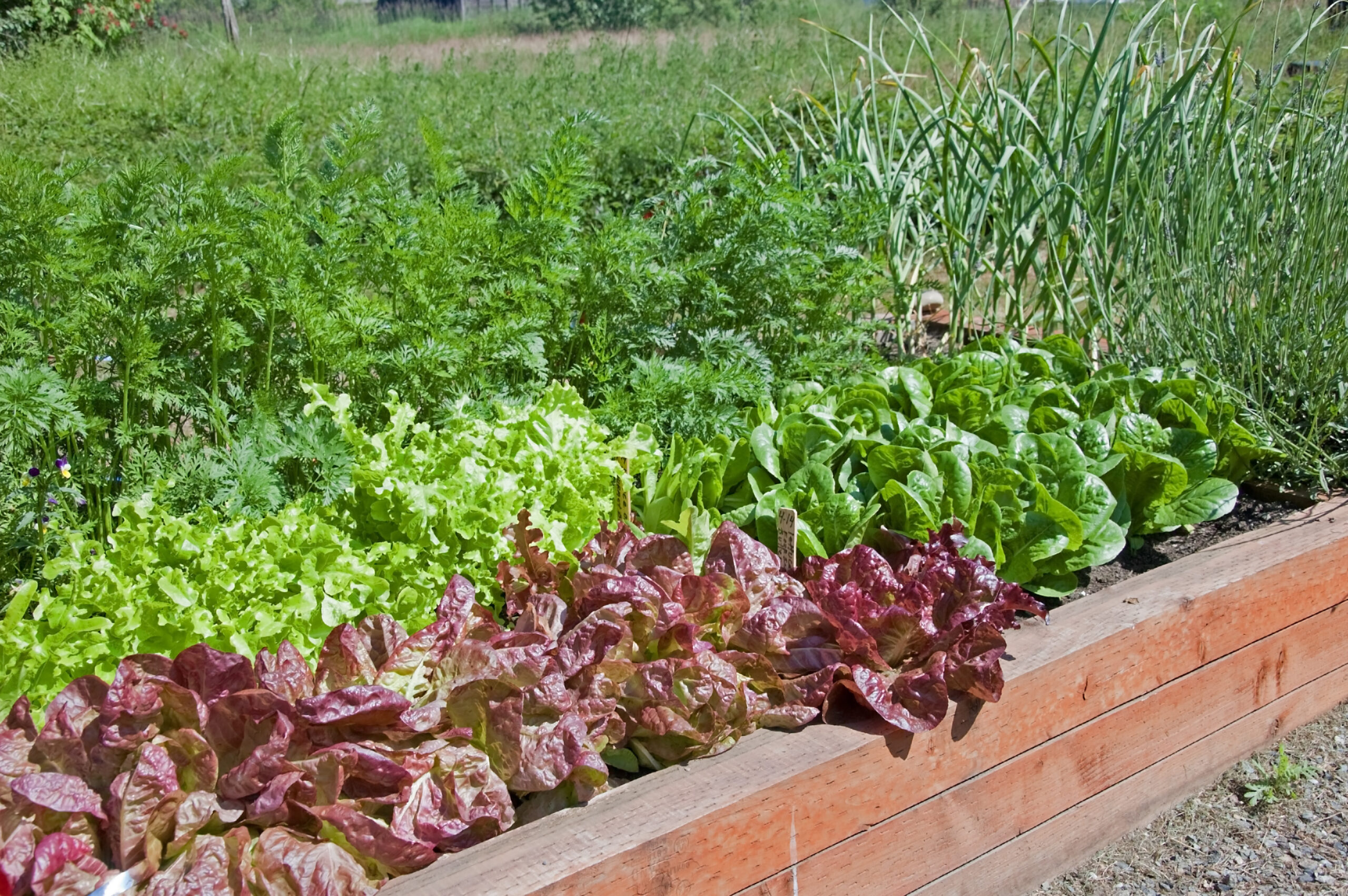
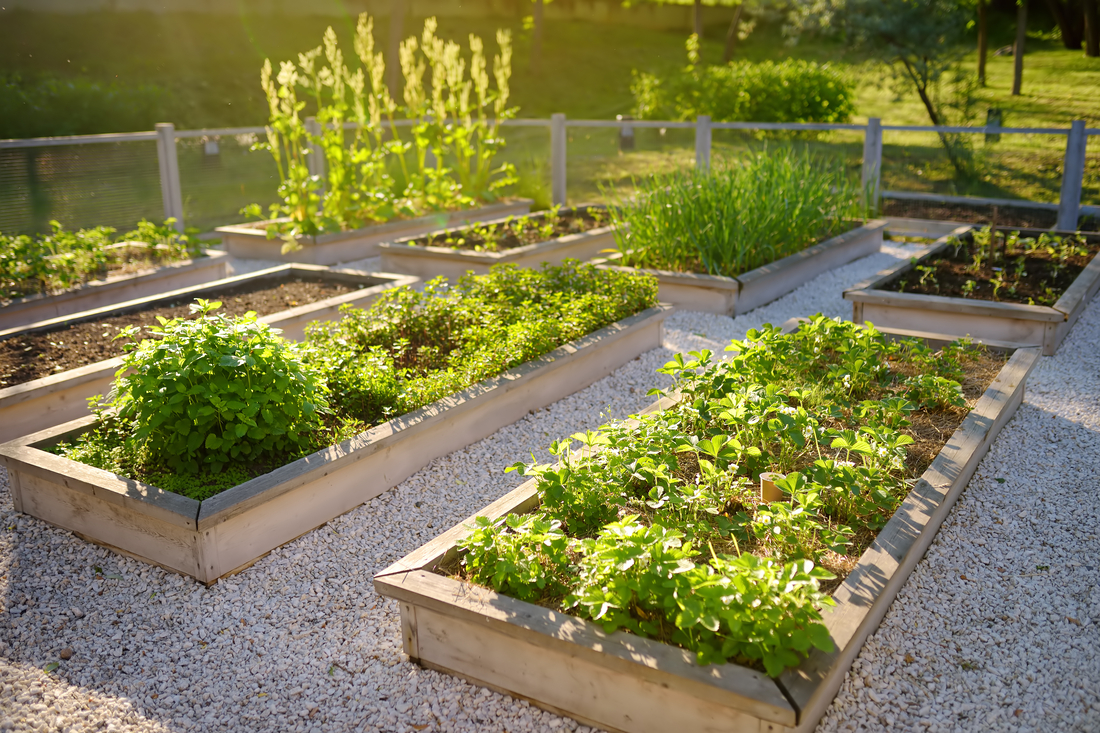
These FREE Materials Budget documents (listed below) include a list of all of the materials needed to construct a raised veggie bed of your own:
These Project Plans (listed below) include an itemized budget and suggested source for supplies and construction instructions to help you create your own raised veggie bed.
Visit our Plant Suggestions section to find a list of plants ideal for a fall veggie garden.
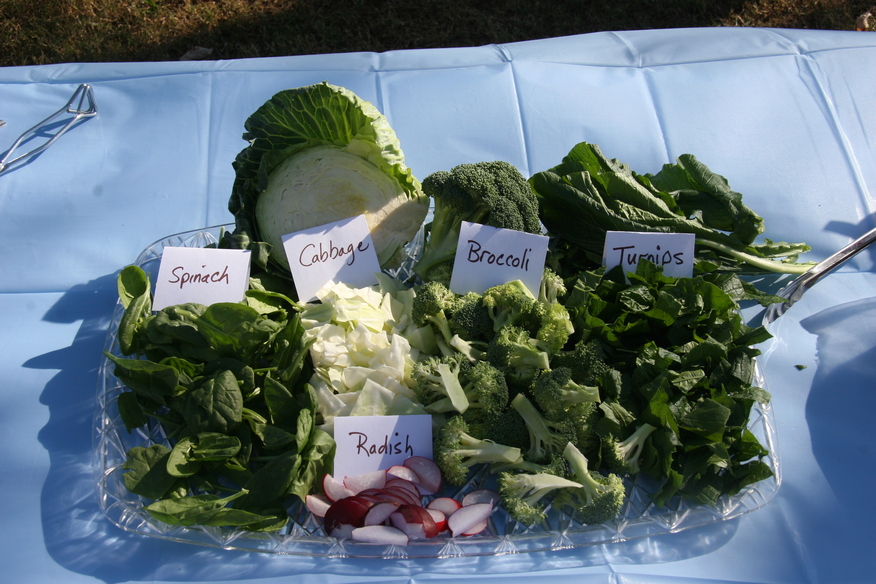
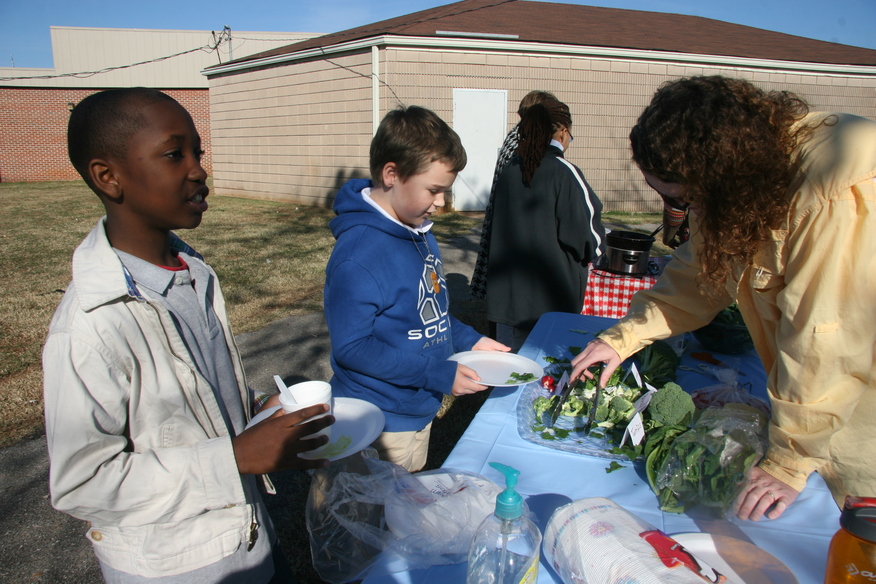
There are a lot of vegetable plants that can be grown in a fall garden. Generally speaking, these plants need the cooler weather that fall provides to reach maturity. Below is a list of some fall veggies you can consider growing in your school garden. Use our suggested Themed Garden Ideas when planning and planting your raised beds in the spring.
*When planting these seeds, you may want to mix the seeds with sand. The seeds are so tiny that a pinch of just seeds would probably contain 20 seeds, making it difficult to spread the seeds over the garden row. By mixing them with sand, the seeds are dispersed more evenly and a pinch will not include as many seeds. A good rule is to use 4 times as much sand as seeds (4 tsp of sand to one tsp of seeds). This way, as you sow the seeds, it spreads them out along the row better so that you don’t have to pull as many when you thin them at a later date.
Basics of Fall Vegetable Gardening (ACES) – Excellent resource for more information about fall vegetable gardening. It covers everything you need to know to have a successful fall vegetable garden at your school: preparing the site, selecting plants, when to plant, water and fertilizing, pest management, and frost protection.
Consider how plants grow in nature – there is a mix of species in one area (each with different functions and needs) rather than a large group of a single species. We tend to plant in a more monoculture-style when we garden. Grouping plants of the same species together certainly simplifies maintenance and makes identification easier, but when it comes to edible gardens, companion planting is best.
Companion planting is the act of planting certain plants near others to enhance their quality and growth. Simply put, some plants grow better when planted near certain plants than when near others or when alone. Some benefits to companion planting include:
Download a free Companion Planting Chart to see which vegetables should be planted near each other for improved quality and growth. Their website also has other free guides including What to Compost and Plants for Bug Control.
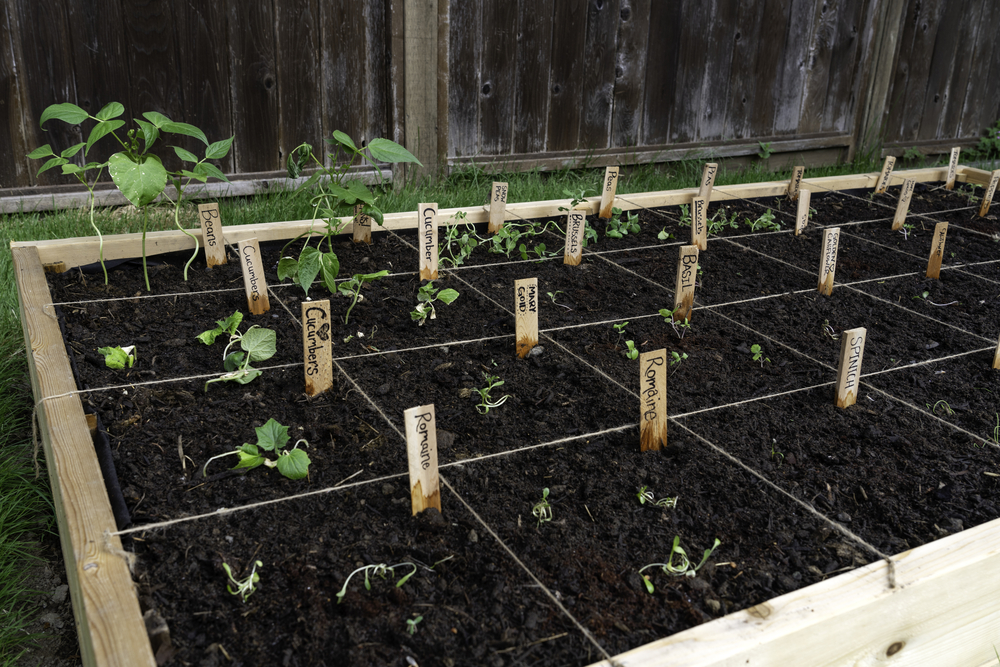
You can use this guide from Bonnie Plants to determine
how much space each plant requires when designing your garden’s layout. Consider purchasing the All New Square Foot Gardening book to learn even more about this method and how to execute it. You can even get a specialized tool to help with you planting your seeds and seedlings!
When planning when to sow your seeds, use this Urban Farmer Planting Calendar. It shows when the average first and last frosts are across the state as well as a planting schedule for zones 7-9.
You can use this guide from Bonnie Plants to determine how much space each plant requires when designing your garden’s layout. Consider purchasing the All New Square Foot Gardening book to learn even more about this method and how to execute it. You can even get a specialized tool to help with you planting your seeds and seedlings!
When planning when to sow your seeds, use this Urban Farmer Planting Calendar. It shows when the average first and last frosts are across the state as well as a planting schedule for zones 7-9.
Below are free activity resources related to vegetable gardens:
The links below are to kid-friendly webpages that will help your students explore and research the habitats, plants, and wildlife in your Habitat Lab:
Below are free activity pages related to pitcher plant gardens:

The Alabama Cooperative Extension Service has many publications to help you improve, maintain, and harvest your vegetable gardens.

Endeavor Elementary Veggie Garden