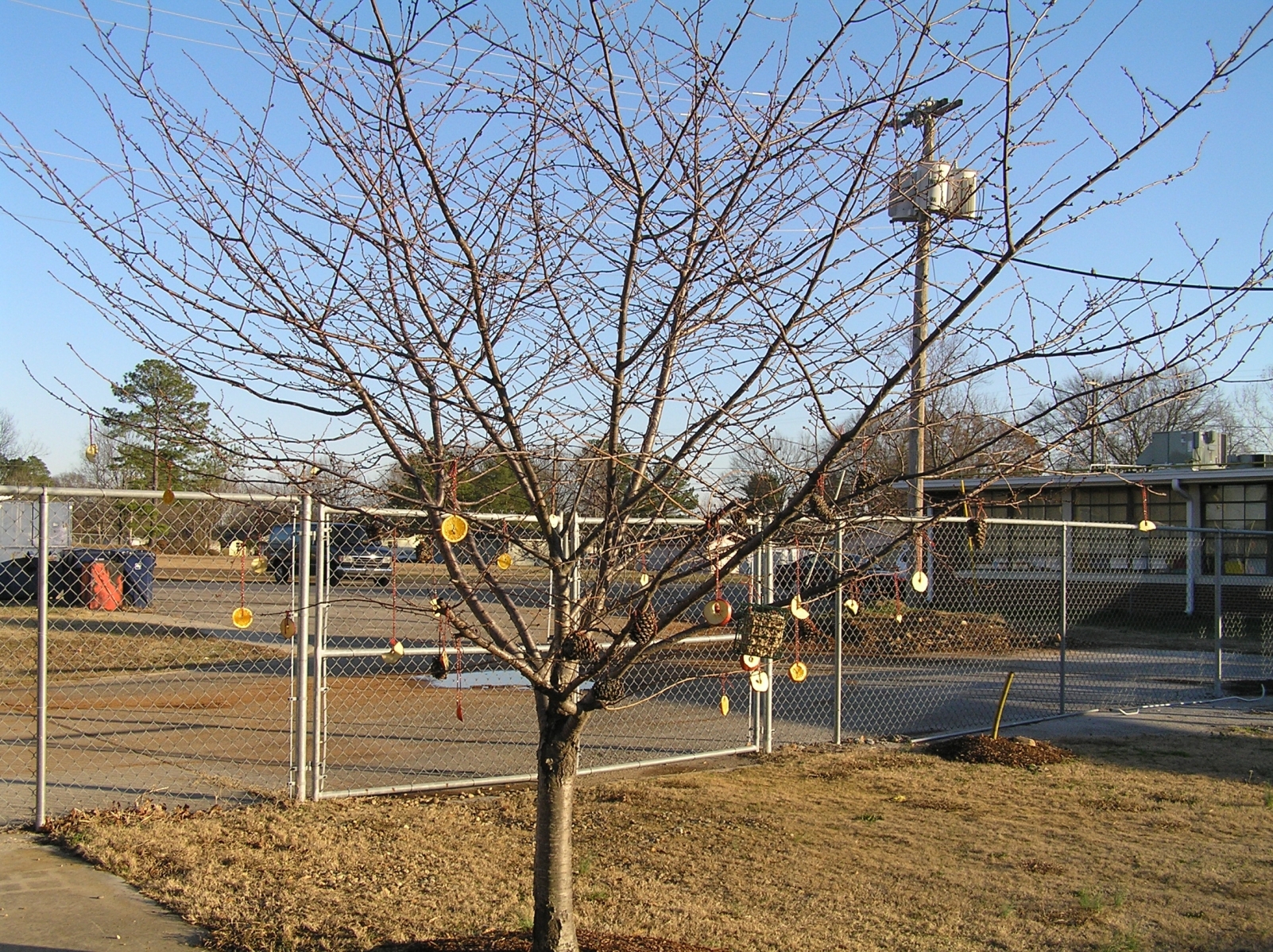
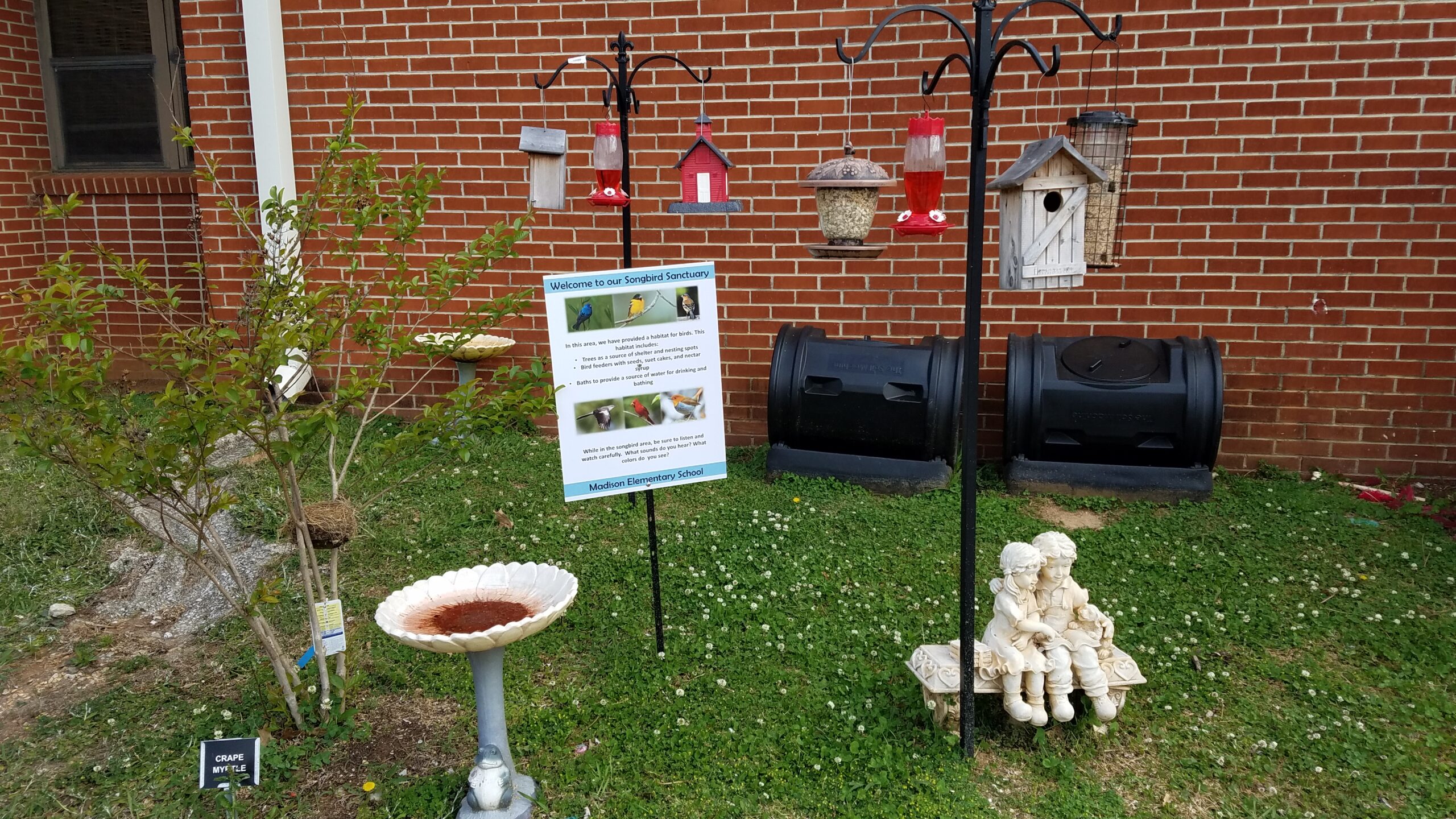
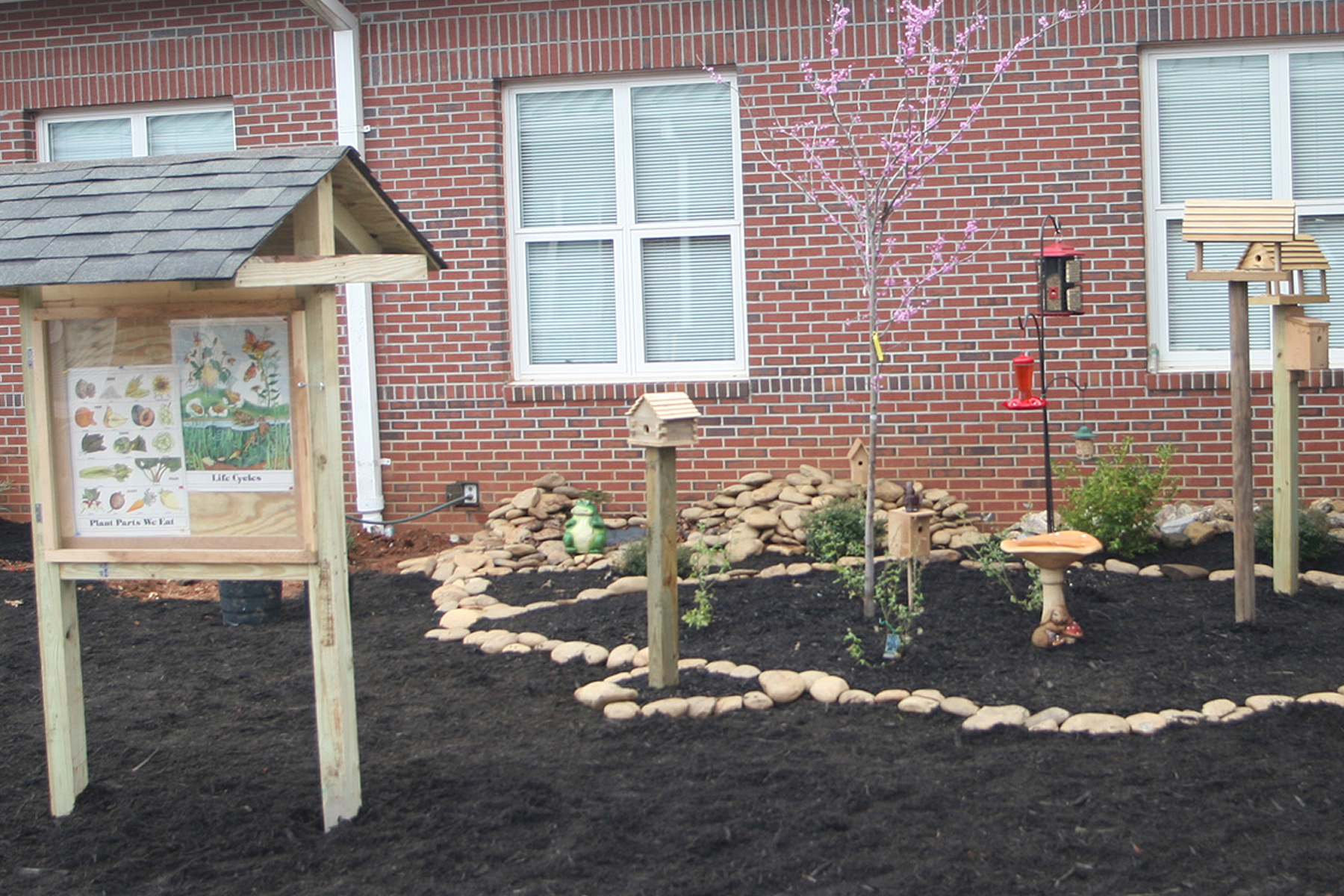
In a Habitat Learning Lab (aka “Habitat Lab”), a Songbird Sanctuary creates great wildlife observation opportunities and provides fun, exciting hands-on activities.
Below is the information you need to help you create, utilize and maintain your songbird sanctuary as an educational tool with your students:
Food can be provided through any combination of the following:
native trees, shrubs, grasses, forbs (wildflowers), and vines that produce mast (such as berries, seeds and nuts)
bird feeders with seed, nuts, suet, sugar water, and fruit
native shrubs, grasses, and forbs that attract insects for the birds to eat
Water can be provided through any combination of the following:
natural creek or pond
bird bath
water garden
Shelter can be provided through any combination of the following:
native trees, shrubs, or grasses
native evergreens
nesting boxes for roosting
Places to Raise Young can be provided through any combination of the following:
native trees, shrubs, or grasses
native evergreens
nesting boxes
Visit our Plant Suggestions webpage to find a list of plants ideal for a songbird sanctuary.
Download this PDF (file “AL Songbirds and Their Habitats Information” in Drive) about Alabama songbirds and their habitats for more in-depth information.
Project Plan: Materials Budget & Construction Instructions
These FREE Materials Budget documents (listed below) include a list of all of the materials needed to construct a songbird sanctuary.
Simple Songbird Sanctuary with feeders, baths, and shelter (Word | PDF)
Large Songbird Sanctuary with feeders, baths, shelter, and a 3-sided Raised Bed Garden (Word | PDF)(use this Materials Budget if you are using the school building as the 4th side)
Large Songbird Sanctuary with feeders, baths, shelter, and a 4-sided Raised Bed Garden (Word | PDF)
These Project Plans (listed below) include an itemized budget and suggested source for supplies and construction instructions to help you create your own butterfly habitat.
Simple Songbird Sanctuary (Word | PDF) with feeders, baths, and shelter
Large Songbird Sanctuary with feeders, baths, shelter, and a 3-sided Raised Bed Garden (Word | PDF)(use this Materials Budget if you are using the school building as the 4th side)
Large Songbird Sanctuary with feeders, baths, shelter, and a 4-sided Raised Bed Garden (Word | PDF)
Visit our Plant Suggestionswebpage to find a list of plants ideal for a songbird sanctuary.
Example Bluebird Box Trail (PDF) – This free project plan shows you how to create a trail of ten to twelve bluebird nesting boxes that are placed approximately 50-100 feet apart around the school’s campus to provide highly needed habitat for these cavity nesting birds.
Pinecone Bird Feeders Activity (PDF)– Use these instructions to create natural bird feeders for with your students.
Bird Houses for Songbirds (PDF) – This free article from the Alabama Cooperative Extension System provides details about how to build nesting boxes for local backyard cavity-nesting birds.
Activity Resources
AWF Student Investigations & Other Educational Webpages
The links below are to kid-friendly webpages that will help your students explore and research the habitats, plants, and wildlife in your Habitat Lab:
Use AWF’s “Wonders of Wildlife”webpages to learn more about the birds and other animals that may be seen in your Habitat Lab.
AWF’s Common Birds of Alabama PDFcan be used as a PowerPoint presentation or educational document to review common birds found in Alabama.
AWF’s Habitat Lab Field Investigation Activities
Below are free activity pages related to songbirds:
Birds and Their Adaptations (1st): Version #1: Word | PDF or Version #2: Word | PDF –Students learn first-hand how animals have adaptations to help them survive by observing and identifying a songbird in their Habitat Lab.AL Science Standard 3rd Grade #9 – Examine evidence to support an argument that the internal and external structures of plants (e.g., thorns, leaves, stems, roots, colored petals, xylem, phloem) and animals (e.g., heart, stomach, lung, brain, skin) function to support survival, growth, behavior, and reproduction.
AWF’s Themed Activities
Below are free activities & lesson plans related to songbirds:
Watch the Birdie (PDF) (Grades: K-2) – Students make pretend binoculars and take a bird watching walk in your Habitat Lab.
Birds are Everywhere (PDF) (Grades: K-5) – Students explore your Habitat Lab’s wild bird habitat for evidence of birds and other wildlife.
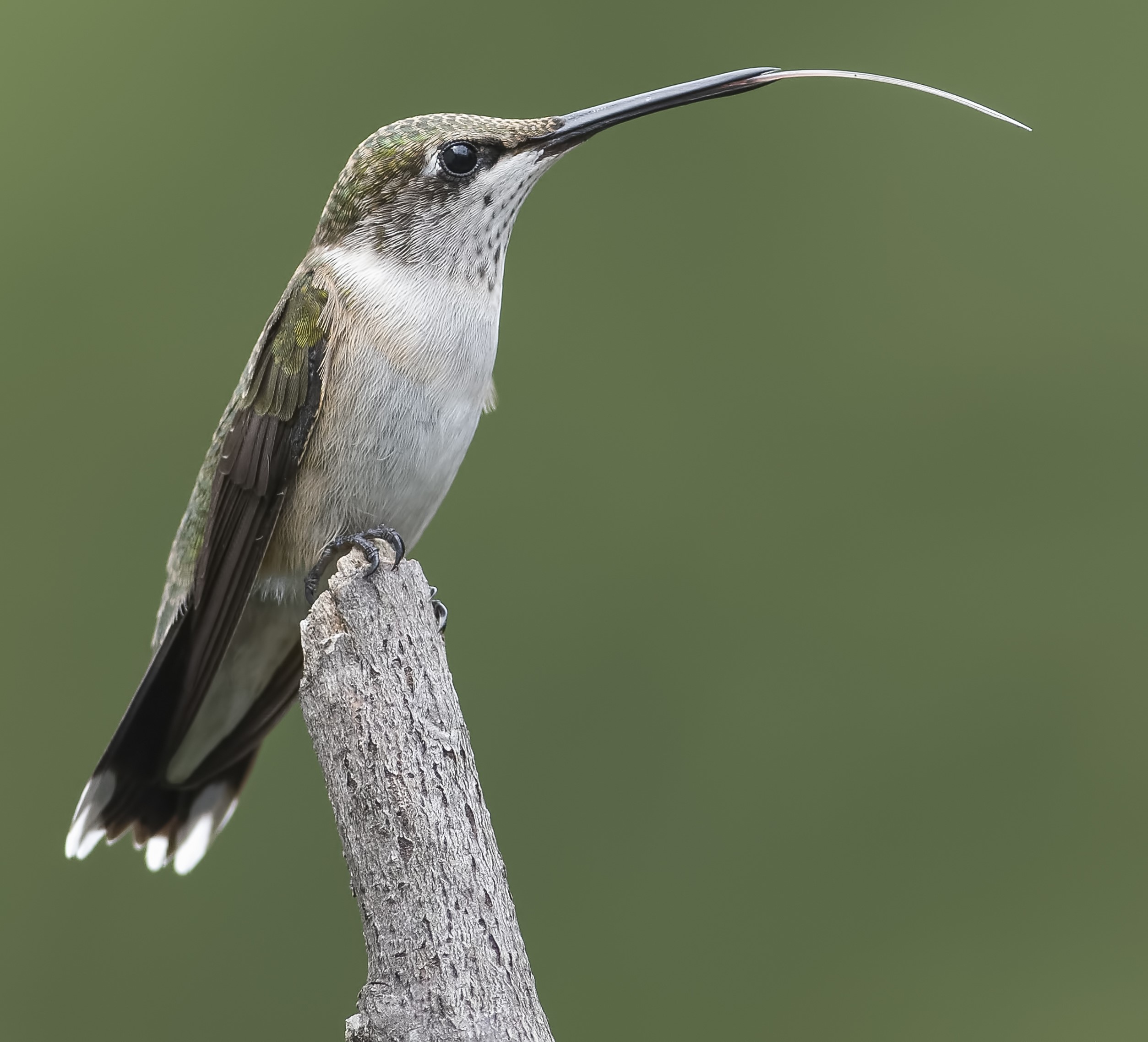
Fill the Bill (PDF) (Grades: 3-8) – Students participate in activity stations that demonstrate how different types of beaks help birds eat specific types of food, and then they observe birds and the different types of beaks in your Habitat Lab’s wild bird habitat.
Adapt a Bird (PDF) (Grades: 3-8) – Students observe birds’ beaks and feet in your Habitat Lab, and they will create a new bird species using adaptations of birds.
Birding Lane (PDF) (Grades: 6-8) – Students test their skills at observing and identifying birds in wild bird habitats as they take a stroll along “Birding Lane” in your Habitat Lab.
Songbird Survey (PDF) (Grades: 9-12) – Students use bird-counting techniques to conduct an inventory of bird populations as they explore your Habitat Lab.
Journey North is one of N. America’s premiere citizen science programs for people of all ages. Students help track hummingbird migration each fall and spring, and report their sightings on the website as “citizen scientists”.
During the Great Backyard Bird Count in February, students tally the number of individual birds of each species they see, and then enter these numbers on the GBBC website as “citizen scientists”.
This citizen science project is a November-April survey of birds that visit backyards, nature centers, community areas, and other locales in North America.
Use eBird to maximize the number of bird species you can find, keep track of your bird lists, photos and sounds, explore latest sightings in your area, and contribute to science and conservation.
This Birds in the Classroom page is designed to provide students and teachers information about birds and bird life. There are activities, vocabulary words, reading materials and much more.