


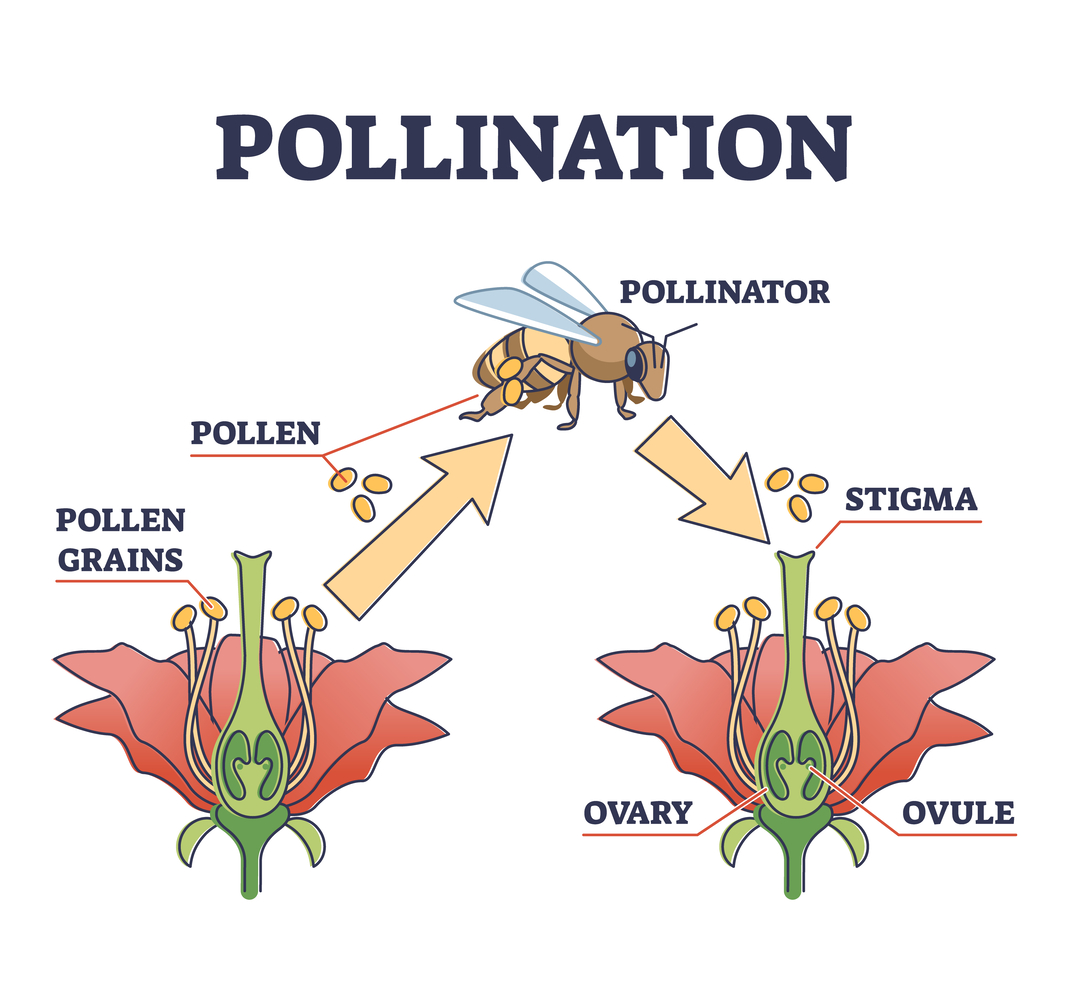
In a Habitat Learning Lab (aka “Habitat Lab”), a Pollinator Garden is a garden dedicated to native plants that provide nectar and pollen to native pollinator species. Some plant species rely on wind or water to transfer pollen from one flower to the next, but the overwhelming majority of plants need help from animals for this task. There are roughly 200,000 animal species around the world that perform as pollinators. Less than 1% of these are vertebrates (birds, bats, and other small mammals). The rest are invertebrates, including flies, beetles, butterflies, moths, wasps, and bees.
It is estimated that animal pollinators are needed for the reproduction of 90% of flowering plants and one-third of human food crops. Not only are they vital for lots of food we eat, they also enable plants to provide food and cover for wildlife, prevent erosion, and keep waterways clean. This is why it is so important we create habitat for them. Habitat for pollinators should include food, water, shelter, and a place to raise young.
Below is information that will help you build and maintain your pollinator garden and use it as an educational tool:
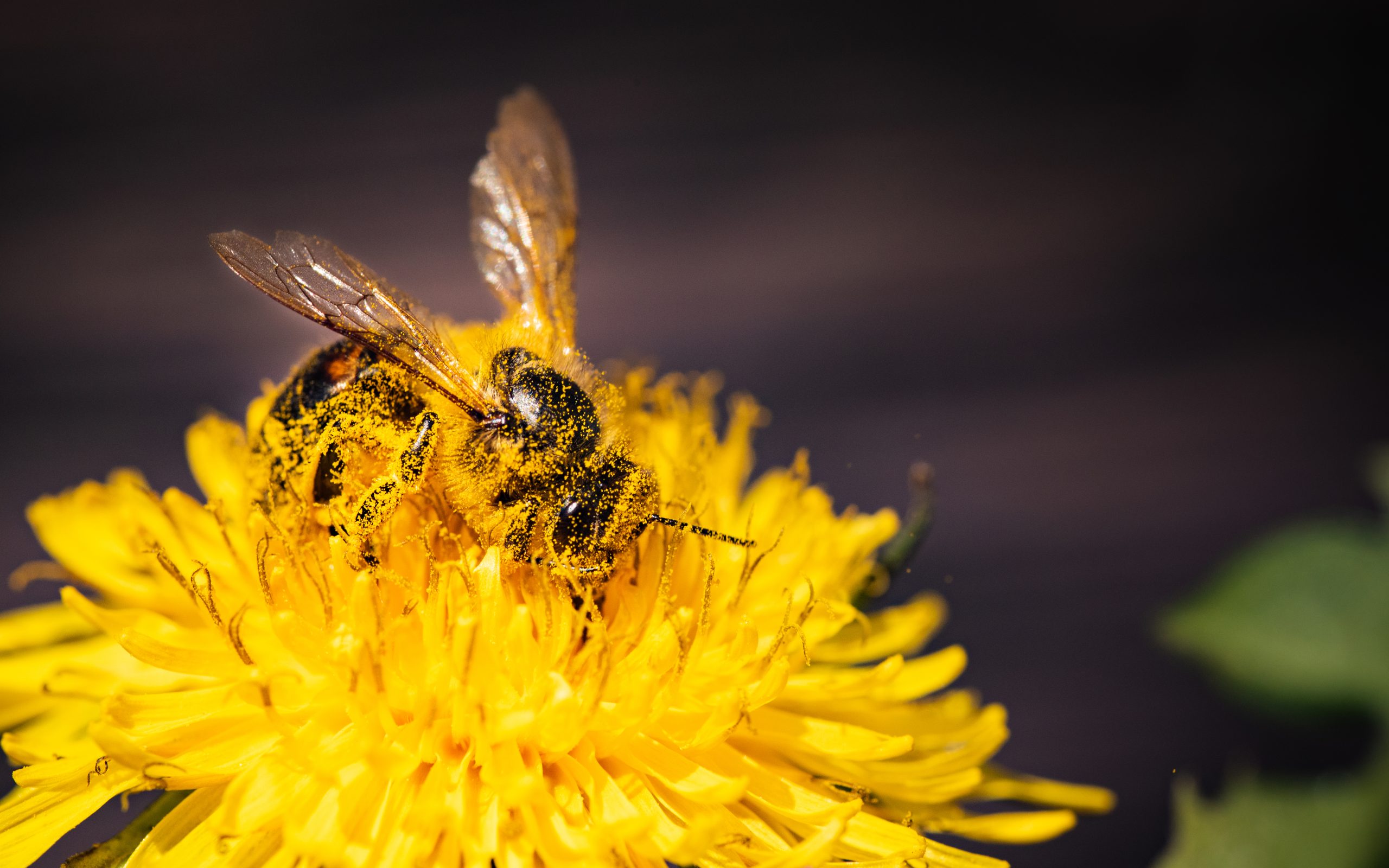
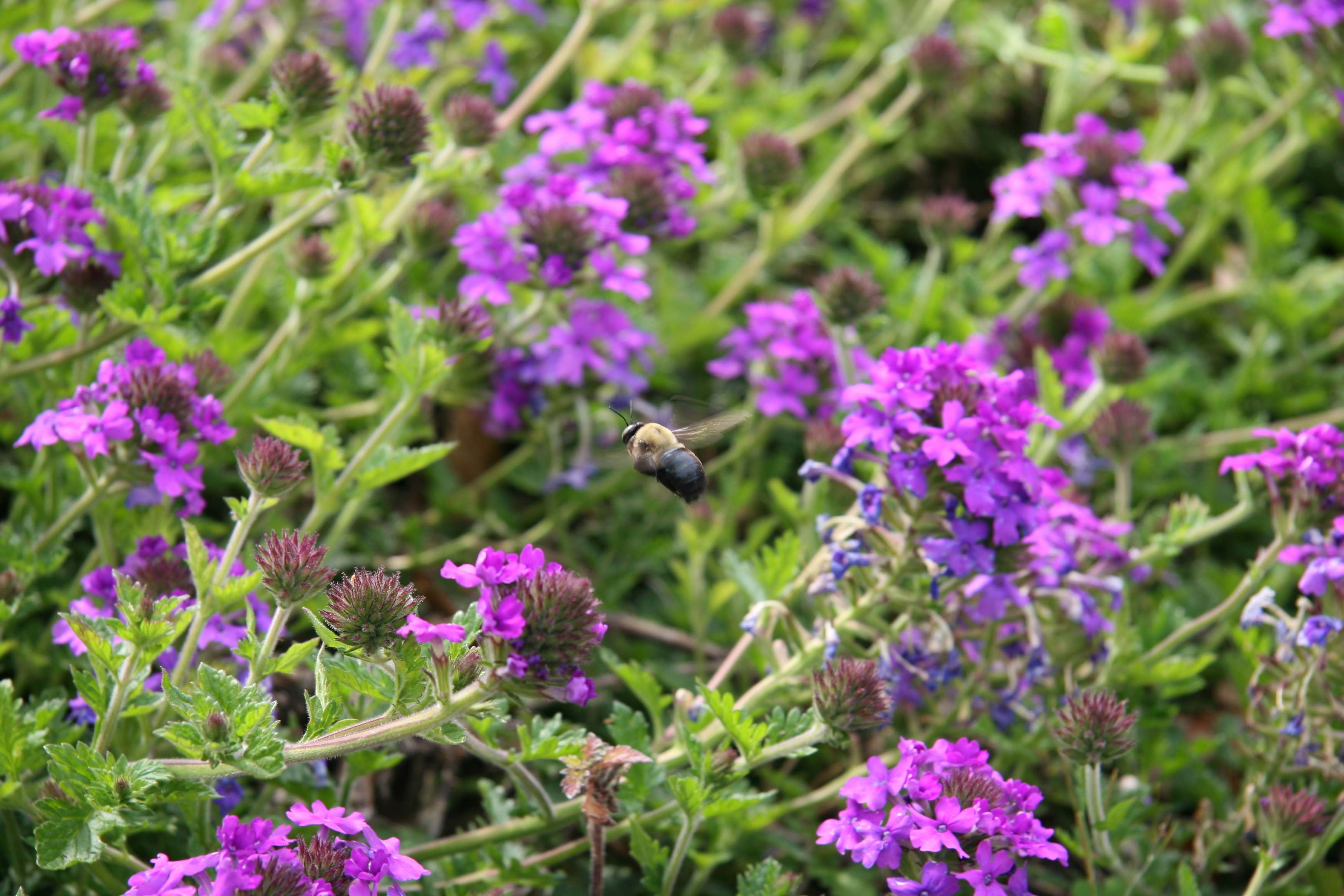
A Pollinator Garden should include flowering perennials that provide nectar and pollen
throughout the growing season as well as water, shelter, and a place to raise young for a variety of pollinators.
The most critical component of a Pollinator Garden is native plants (plants that occur naturally in our area). Check out our Plant Suggestions for a list of our recommended pollinator-friendly native species. They are easier to grow and are better adapted for our specific climate and soil than non-native plant species. Native pollinators have co-evolved with these native plants to most efficiently collect pollen and nectar, making their success more likely than if they were to pollinate non-native species. These plants are an important base in the food chain, as they draw in native pollinator species which are in turn food for native birds, mammals, reptiles, and amphibians.
For these reasons, native plants increase the biodiversity of a Habitat Lab and should be used as much as possible in your pollinator garden. Many herbs are very attractive to pollinators. You may also want to include hummingbird feeders in your garden area to attract hummingbirds. Just remember that you must maintain them and keep them filled during the appropriate season.
Avoid pesticides or choose non-chemical solutions to insect problems if and when possible. Nature tends to keep most pests under control on its own, and some damage to plants is natural and beneficial to your garden. But, if you must use a pesticide for fire ants or other potentially hazardous insects, be sure to follow the application and disposal directions on the label very carefully. Only apply pesticides when pollinators are not active, before dawn and at sundown.
For more general information about pollinators in our area, take a look at the Pollinator Partnership and the North American Pollinator Protection Campaign’s “Selecting Plants for Pollinators: Southeastern Mixed Forest Province” document.

Food: Flowers provide nectar, which is high in sugar and amino acids, and pollen, which is high in protein, for pollinators. Fallen, rotting fruit can also provide food for pollinators. Perennial plants that die back and then return the following year are generally richer in nectar and provide a more dependable food source than annuals because they bloom year after year. Each species of flower should be grown in a clump of at least 4 plants to increase pollinator efficiency, as the pollinator won’t have to relearn how to enter the flower and can transfer pollen to the same species instead of wasting it on unreceptive flowers. A variety of flower shapes, heights, smells, and colors will provide nectar and pollen many different pollinators. Try to select a variety of species that bloom during different seasons to provide food from early spring to late fall.
Water: A clean, reliable source of water is essential for pollinators. Small puddling stations should be included in your garden. Pie plates or plant saucers, roughly 12”-18” are appropriate. They should be filled with sand or small rocks before water is added. Creating a very shallow puddle or a puddle with a shallow or sloping sides is important so that pollinators do not risk drowning.
Shelter: Pollinators need protection from inclement weather as well as predators. Vegetation will provide a degree of cover, but leaf litter and dead plants will also help. Grouping the plants close together will allow pollinators to safely move through the landscape while being protected.
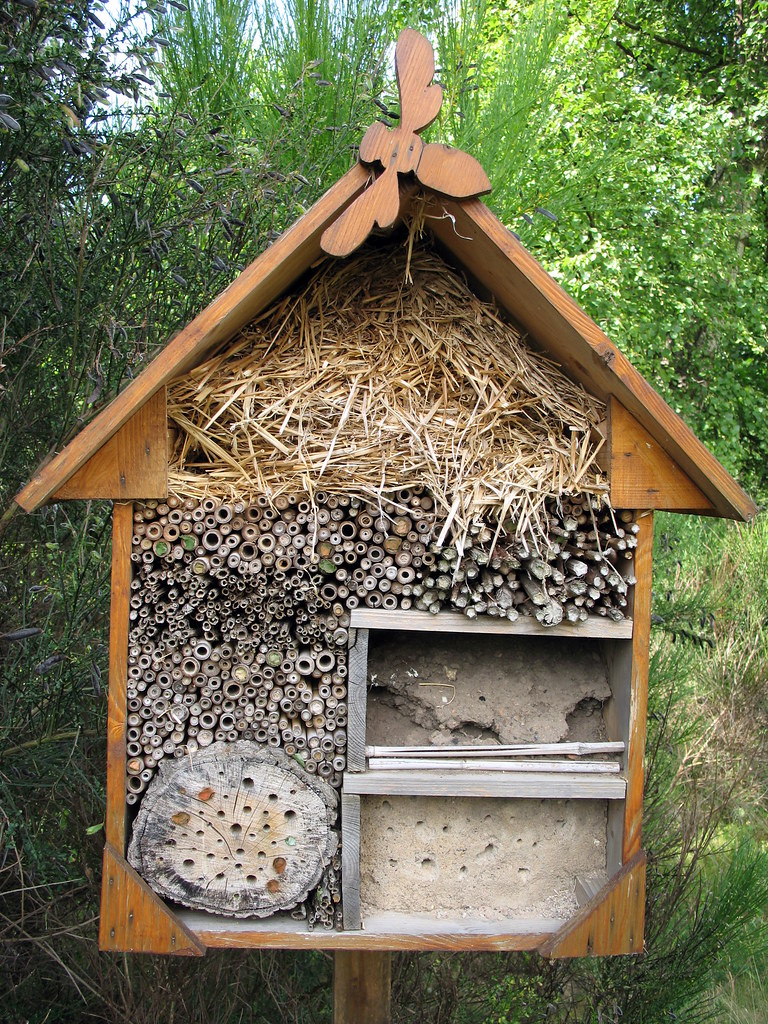
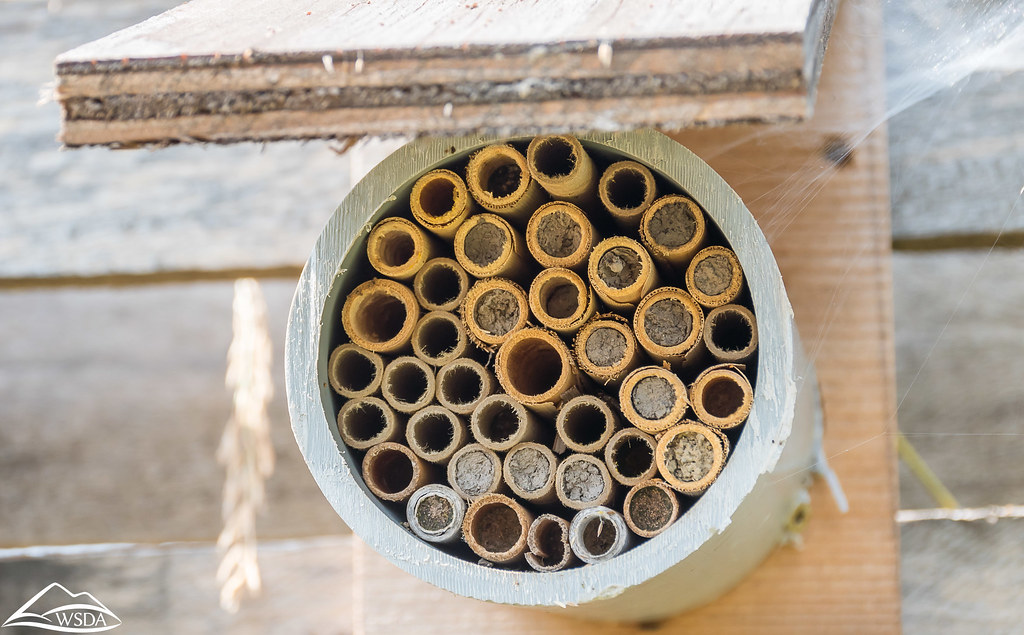
Places to Raise Young: Many pollinators will lay their eggs on the leaves of plants in the garden. Leaving a bit of exposed soil in your garden (free of mulch) will allow ground-nesting insects easy access to make their tunnels underground. You can also purchase or build bee boxes and insect hotels (example photos below) in order to increase the diversity of nesting insects in your garden. When building or purchasing a box or hotel, be sure to offer:
Click here for instructions to make a DIY Insect Hotel from recycled materials.
Space: The garden should be a 3’ x 12’ OR 4’ x 12’ raised bed that contains 4 species of plants.
These FREE Materials Budget documents include a list of all of the materials needed to
construct a pollinator garden on your own.
Visit our Plant Suggestions webpage to find a list of plants ideal for a pollinator garden.
The links below are to kid-friendly webpages that will help your students explore and research the habitats, plants, and wildlife in your Habitat Lab:
Below are free activity pages related to pollinators:
For more information about or identification of Alabama’s insect species, utilize the following websites:
Use these General Maintenance Tips (PDF) to care for your pollinator garden:
Weekly
Late Summer
Fall
Winter
Spring
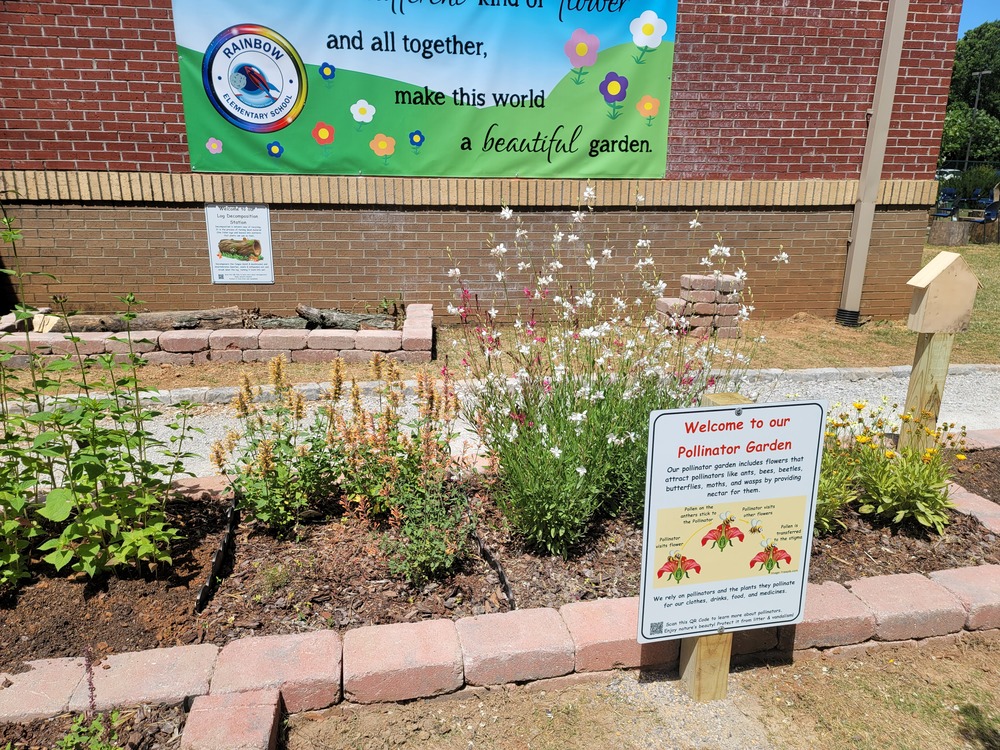
Rainbow Elementary Pollinator Garden
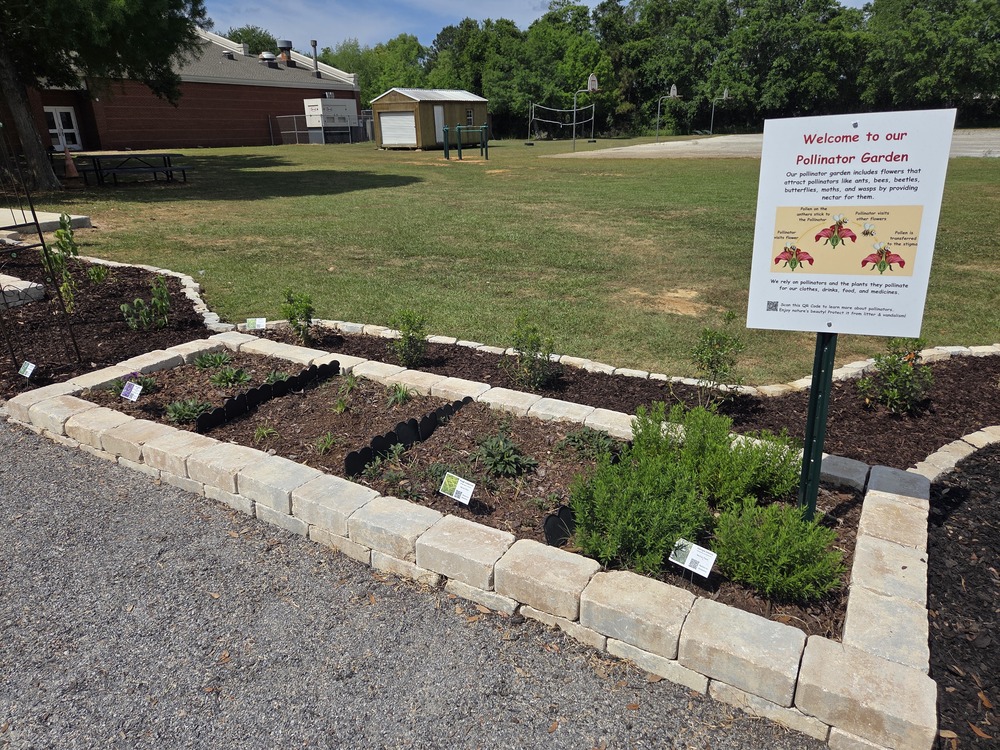
J Larry Newton Elementary Pollinator Garden